Behind the Velvet Ropes: How Private Gaming Salons Shape High-Stakes Play at Nevada Luxury Properties
Xander Meier · Aug 23, 2026
Behind the Velvet Ropes: How Private Gaming Salons Shape High-Stakes Play at Nevada Luxury Properties
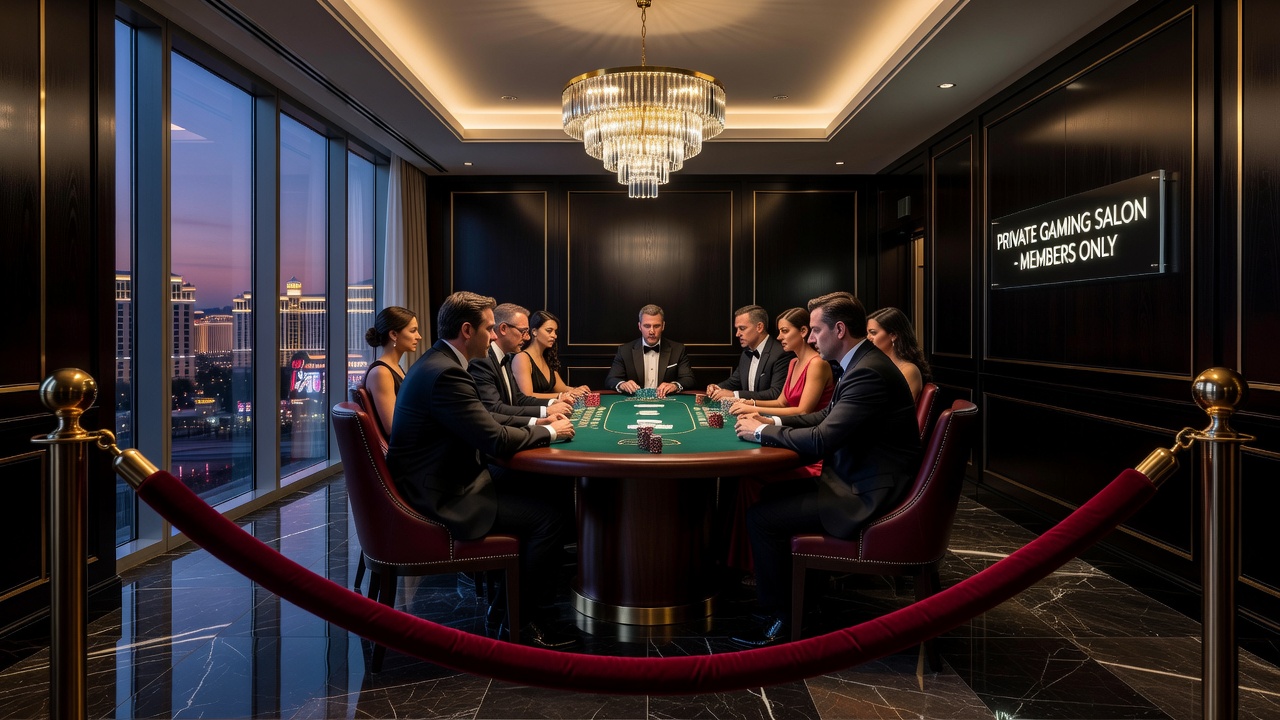
Private gaming salons occupy a distinct segment within Nevada's luxury casino properties where high-stakes play occurs away from main casino floors, and these spaces operate under specific regulatory frameworks established by the Nevada Gaming Control Board. Properties such as Wynn Las Vegas, Bellagio, and Aria maintain dedicated salons that cater to players who wager substantial amounts on table games including blackjack, baccarat, and roulette, with access typically restricted through invitations or minimum play requirements documented in resort protocols.
Regulatory Framework and Operational Standards
Nevada statutes require private salons to adhere to the same licensing and oversight rules that apply to public gaming areas, yet these venues incorporate additional security measures and customized layouts that accommodate fewer participants at each table. Data from the Nevada Gaming Control Board shows that high-limit table games generated a measurable portion of statewide gaming revenue during the first half of 2026, with private salons contributing through concentrated play sessions that often extend for multiple hours. Observers note that these salons feature enhanced surveillance systems, private cashiers, and dedicated staff who manage game pacing and player requests while maintaining compliance with state-mandated reporting on large transactions.
Architectural designs in these salons frequently include separate entrances, soundproofing, and controlled lighting that differ from the open layouts found on main floors, and such configurations allow resorts to segment their customer base according to documented betting patterns. Studies conducted by the University of Nevada, Las Vegas International Gaming Institute have examined how these physical separations influence game flow and player retention rates across multiple properties.
Player Access and Amenity Integration
Access to private salons usually depends on a combination of credit lines, historical play records, and direct relationships with casino hosts who track individual activity through centralized player databases. Resorts compile detailed profiles that include average bet sizes, game preferences, and visit frequency, which then determine eligibility for salon entry and associated perks such as complimentary suites, transportation, and dining reservations. In August 2026, several Strip properties reported adjustments to their invitation criteria following internal reviews of player data collected during the preceding quarter.
Those who qualify often receive advance notice of special events or tournament structures held exclusively within salon environments, and these gatherings concentrate activity among a smaller group of participants while adhering to standard Nevada rules for game integrity. Industry reports from the American Gaming Association indicate that such targeted programming aligns with broader trends in high-end tourism that bring international visitors to Nevada properties during peak summer months.
Impact on Game Dynamics and Resort Revenue
Private salons shape high-stakes play by providing environments where table minimums remain elevated and game speed can be adjusted according to participant preferences, which in turn affects the pace of chip movement and dealer interactions. Records maintained by individual properties demonstrate that salons account for disproportionate revenue relative to their square footage because play occurs at higher limits with fewer interruptions from general foot traffic. Casino operators allocate resources to maintain these spaces because the concentrated activity supports overall property profitability even when public areas experience variable attendance.
Research from academic sources has tracked correlations between salon utilization and extended visitor stays, noting that players who access these areas frequently combine gaming with other resort services such as spa treatments and entertainment bookings. This integration creates measurable patterns in multi-day visit data that properties use to forecast staffing needs across departments.
Technological Features and Security Protocols
Modern private salons incorporate digital interfaces for game tracking and player account management that connect directly to central resort systems, allowing real-time monitoring of play activity without disrupting the session. Security teams employ biometric verification and controlled access points that exceed basic requirements set by state regulators, and these measures address both asset protection and guest privacy concerns. Figures released by the Nevada Gaming Control Board for 2026 reflect ongoing investments in surveillance technology across licensed properties, including those with dedicated high-limit facilities.
Staff training programs emphasize procedural consistency so that dealers and supervisors maintain uniform standards whether operating in public pits or behind salon doors, and this uniformity supports regulatory audits conducted at regular intervals. Observers have documented how these protocols reduce discrepancies in game outcomes while preserving the exclusive atmosphere that attracts the target demographic.
Conclusion
Private gaming salons continue to function as specialized extensions of Nevada luxury properties where operational, regulatory, and technological elements converge to support high-stakes table play. Data from state agencies and academic studies illustrate the measurable role these venues play in revenue distribution and player engagement patterns throughout 2026, with ongoing adaptations reflecting shifts in visitor demographics and compliance expectations. Properties maintain these spaces through documented investment in infrastructure, staffing, and data systems that align with established Nevada gaming statutes.