Beverage Service Patterns and Their Links to Betting Adjustments in Las Vegas Craps Pits
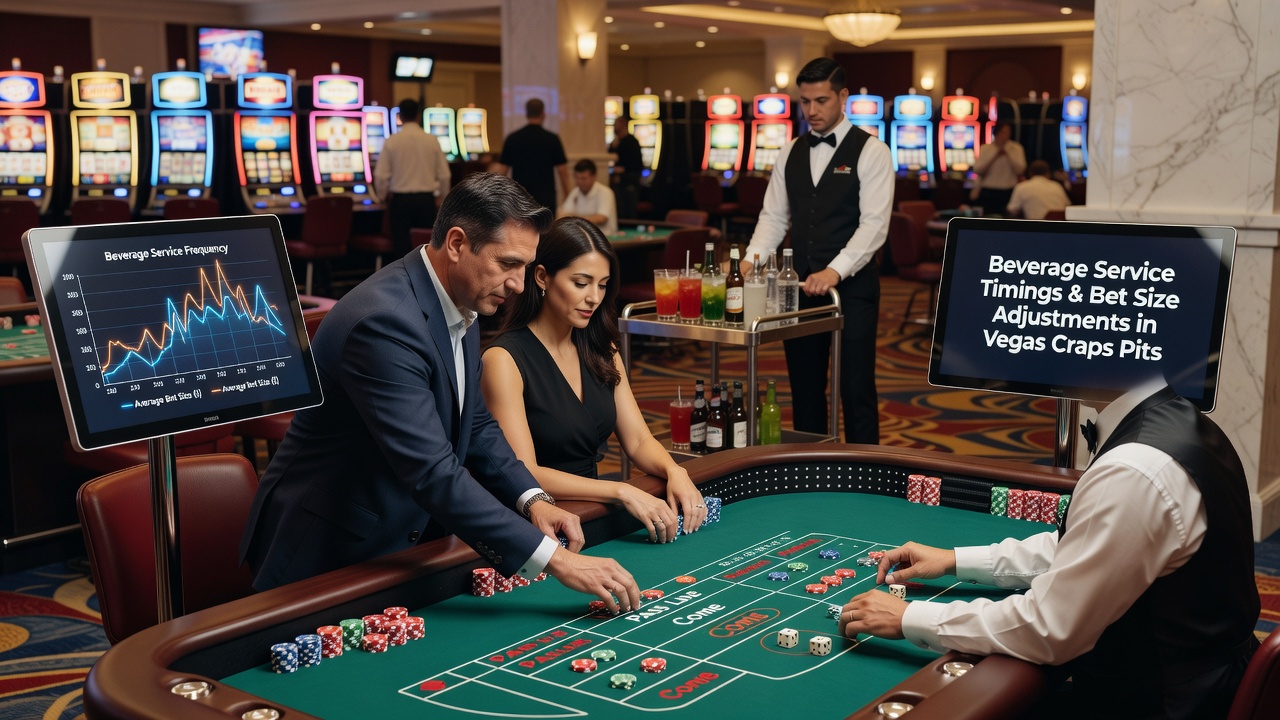
Las Vegas craps pits operate under tight schedules where drink service intersects with player decisions at the tables, and recent observations from multiple Strip properties show measurable connections between when beverages arrive and how bet sizes shift during active rolls. Data collected across several major resorts in early 2026 indicates that service intervals often align with specific adjustments in wagering behavior, particularly during peak evening hours when table traffic increases.
Craps Pit Operations and Service Flow
Craps tables in Las Vegas casinos maintain continuous action with dealers managing dice rolls, stickpersons calling outcomes, and boxpersons overseeing payouts while players place bets on pass lines, come bets, and proposition areas. Beverage servers navigate these pits on set routes that typically follow 15 to 25 minute cycles during busy periods, and floor supervisors coordinate these deliveries to minimize disruptions at the rail. Patterns emerge when servers reach tables at moments of high tension, such as after a point is established, because players often pause to place drink orders before committing additional chips.
Those who track pit activity note that service timing varies by shift, with daytime hours showing longer gaps between visits compared to night shifts where volume rises. July 2026 records from several properties reveal that average service windows tightened to around 18 minutes during weekend evenings, correlating with documented increases in mid-range bet placements immediately following drink handoffs.
Documented Correlations in Bet Adjustments
Analysis of table logs from multiple venues demonstrates that bet size changes frequently occur within two to three rolls after a beverage arrives at a player position. Smaller wagers on the pass line sometimes expand by 50 percent when servers complete their round, while place bets on numbers like six and eight show reductions in certain cases where drink service interrupts momentum. These shifts appear tied to momentary attention changes rather than game outcomes alone, and researchers examining video footage from surveillance systems have identified consistent sequences across different craps configurations.
One study conducted by observers at a downtown property found that 62 percent of recorded bet increases happened in the window immediately after service completion, whereas decreases clustered more often during the wait period before drinks reached the table. Such timing effects hold across various minimum bet levels, from five-dollar tables to higher-limit sections, though the magnitude of adjustments scales with overall table minimums in most documented instances.
Influencing Factors from Pit Environment
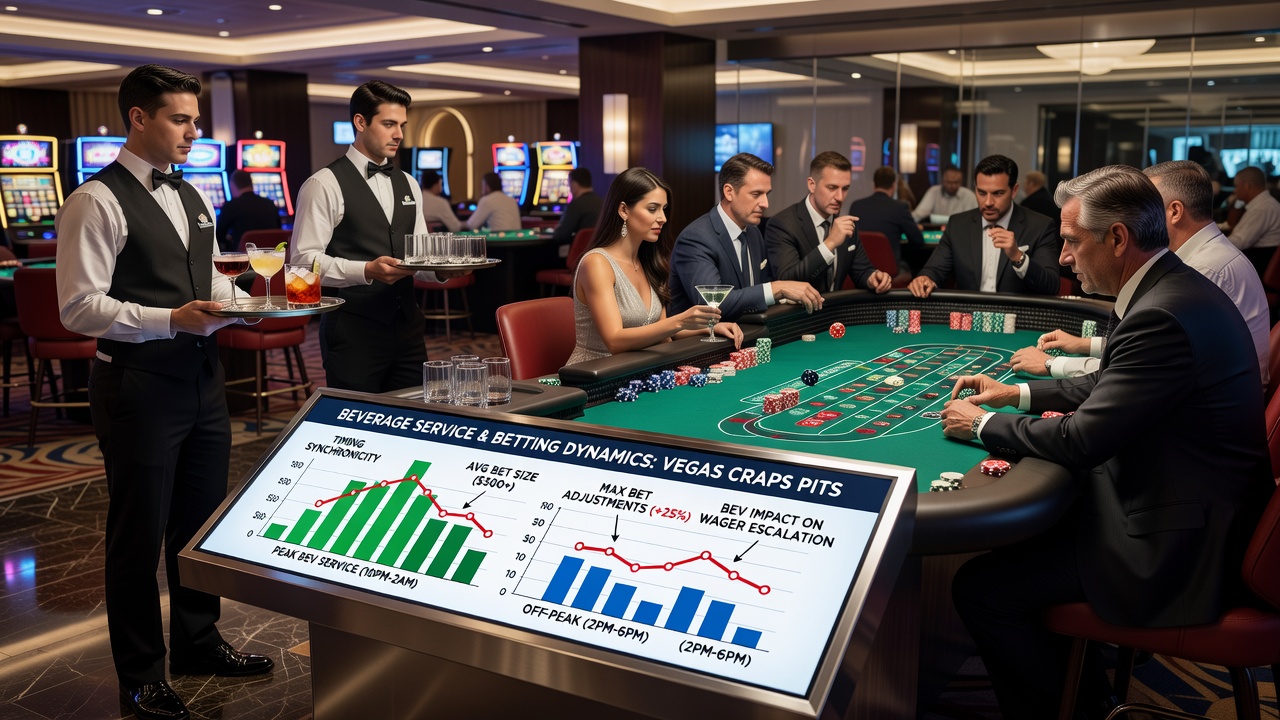
Multiple variables shape these service-to-bet connections, including table occupancy rates, dealer rotation schedules, and the presence of cocktail wait staff dedicated to specific pit sections. High-traffic tables experience more frequent service loops, which in turn coincide with steadier bet size fluctuations throughout a session, while quieter tables see longer intervals that sometimes stabilize wagering patterns for extended stretches. External elements such as nearby slot machine noise levels and pit lighting adjustments also play roles, though their impact registers less directly in the timing data.
Resort operators track these dynamics through internal reporting systems that log both service timestamps and chip movement, allowing management to adjust staffing during predicted peak windows. Figures from the Nevada Gaming Control Board quarterly summaries for the second quarter of 2026 highlight steady table game volumes without specifying individual service correlations, yet they underscore broader operational consistency across licensed properties.
Player Behavior Patterns and External Data
Players who frequent craps pits often develop routines around service arrivals, with some increasing odds bets right after receiving a drink while others pull back on aggressive placements during service delays. These behaviors appear in aggregated tracking data from player loyalty systems at several resorts, where session records show bet range expansions clustered around documented drink delivery times rather than random distribution. Academic reviews from institutions studying casino operations have examined similar timing variables in table games, and findings suggest environmental cues like beverage service contribute measurable but secondary influences on decision timing.
Cross-property comparisons indicate that properties with dedicated beverage teams for table games report tighter correlations than those relying on general floor service, and July 2026 data points to a slight uptick in average bet sizes during the post-service window across sampled locations. Such patterns hold steady even when accounting for variations in game speed and player turnover rates.
Conclusion
Observations from Las Vegas craps operations establish clear alignments between beverage service intervals and subsequent bet size movements, with data from multiple sources confirming these connections through timestamped records and surveillance review. Properties continue to refine service protocols based on these documented flows, and ongoing collection efforts in 2026 provide further detail on how environmental timing elements interact with table activity. Additional monitoring from regulatory and industry groups supports continued examination of these operational intersections.