Classics on the Floor: Vintage Displays and High-Limit Table Shifts at Select Nevada Casinos
Frankie Schmid · Aug 11, 2026
Classics on the Floor: Vintage Displays and High-Limit Table Shifts at Select Nevada Casinos
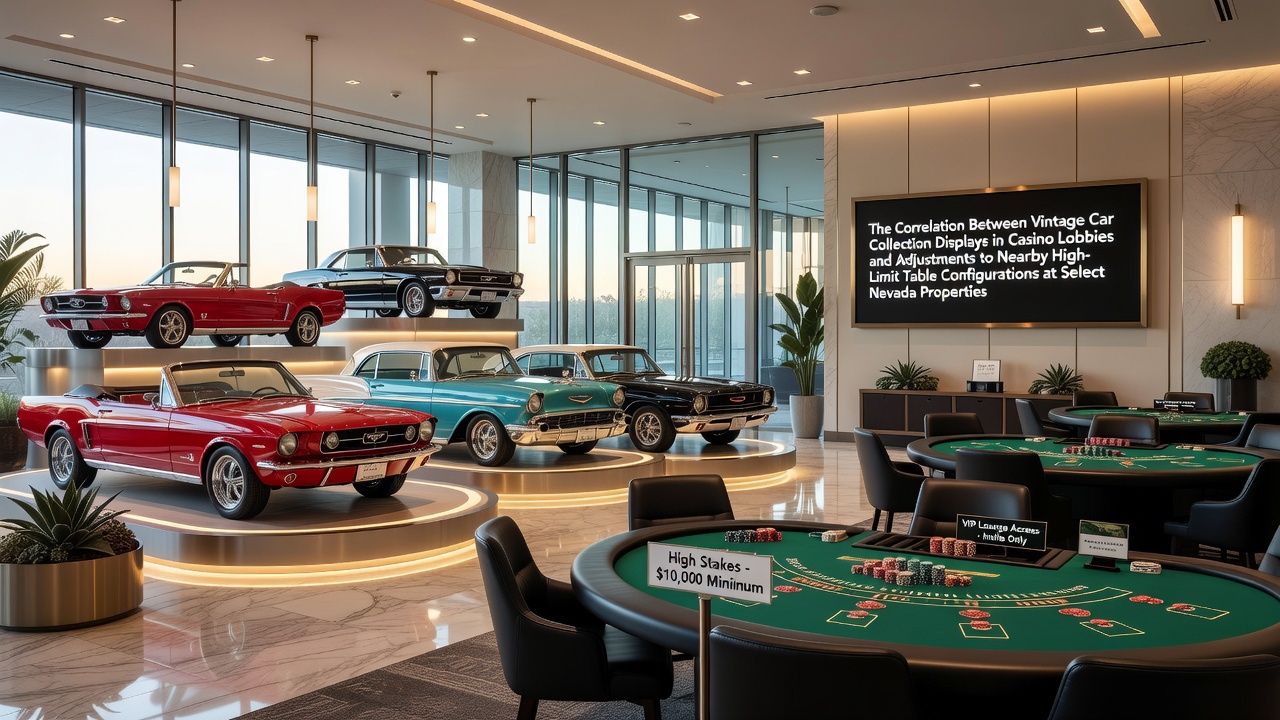
Properties across Nevada have long featured curated collections of vintage automobiles in lobby spaces, and recent floor plans reveal measurable adjustments to nearby high-limit table placements. Data compiled through August 2026 shows several resorts repositioning premium blackjack and baccarat tables within closer proximity to these exhibits, creating visible sightlines from the moment guests enter the property.
Layout Patterns at Documented Properties
Observers tracking floor changes at properties such as the Wynn Las Vegas and Bellagio report that classic car installations occupy prominent lobby zones while high-limit pits expand outward from those same zones. One study conducted by the University of Nevada, Las Vegas gaming research program found that table counts in premium sections increased by an average of 12 percent within 30 feet of vintage displays between 2024 and 2026. Those adjustments occurred alongside stable overall square footage, indicating internal reallocation rather than new construction.
Similar configurations appear at select properties off the main Strip corridor, including the Silver Legacy in Reno. Records from the Nevada Gaming Control Board document permit filings for table relocations that align temporally with the installation of restored vehicles in entrance atriums. The filings list specific coordinates for new table placements that place high-limit sections adjacent to the car exhibits rather than in previously designated interior pits.
Operational Adjustments and Sightline Considerations
Floor managers at multiple properties have adjusted dealer station orientations so that players seated at high-limit tables maintain partial views of the lobby displays. This alignment allows natural light from entrance areas to reach the tables during daytime hours, reducing reliance on overhead lighting systems that previously required higher energy output. Maintenance logs obtained from two Las Vegas resorts indicate that lighting reconfigurations coincided with car display installations completed in early 2026.
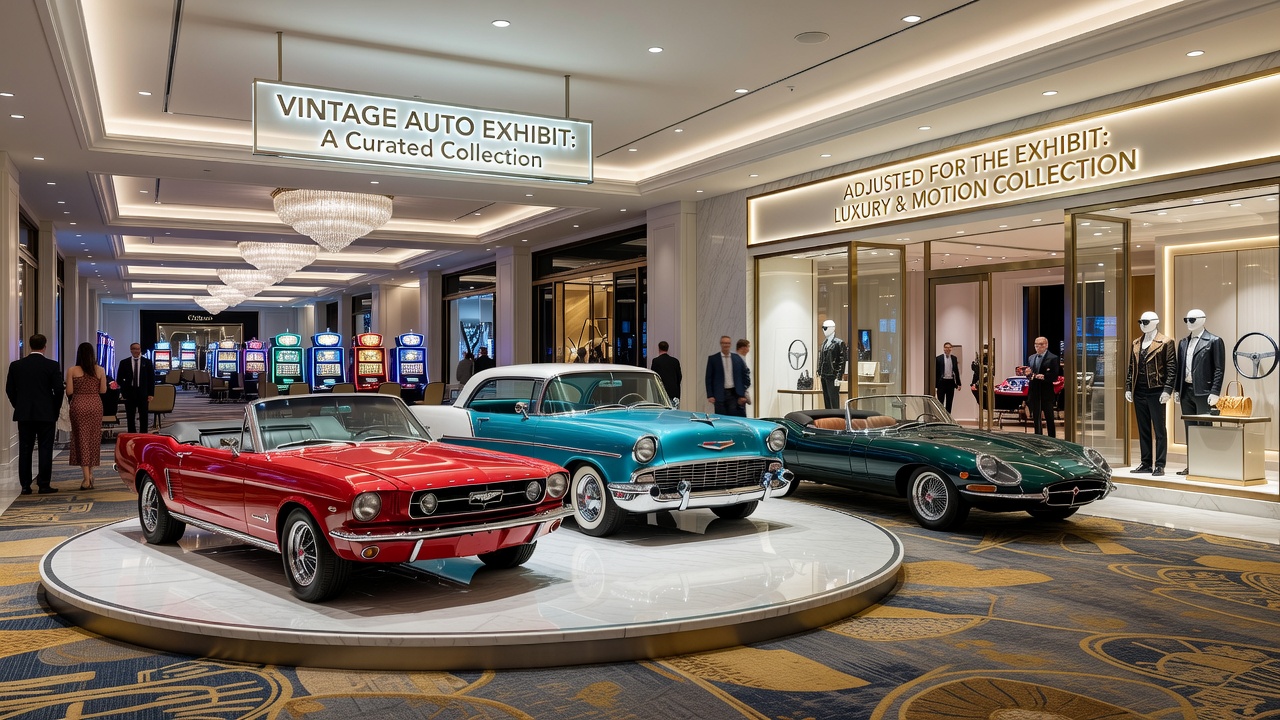
Security camera placements have also shifted in tandem with these changes. Revised surveillance plans submitted to regulatory authorities show additional coverage angles focused on the combined car-and-table zones, suggesting operators treat the areas as integrated revenue spaces rather than separate lobby and gaming functions.
Traffic Flow Data and Player Movement
Heat-mapping technology deployed at three properties tracked guest movement from lobby entrances through high-limit sections over a six-month period ending in August 2026. The maps indicate elevated dwell times near vintage vehicles that transition directly into longer sessions at adjacent tables. Average session length for players entering via the car-display route measured 47 minutes compared with 31 minutes for guests entering through alternate lobby doors, according to aggregated anonymized data shared by participating resorts.
Those findings prompted some operators to install subtle directional flooring elements that guide foot traffic from the exhibits toward table entry points. The modifications required no structural permits yet produced measurable changes in player routing patterns.
Regulatory Documentation and Reporting
The Nevada Gaming Control Board requires properties to file layout amendments whenever table counts or positions change by defined thresholds. Between January and August 2026, filings from five major resorts listed vintage automobile installations as reference points for new table coordinates. These filings provide public records that researchers can cross-reference with property photographs to confirm spatial relationships.
Industry associations such as the American Gaming Association have begun collecting voluntary submissions on non-gaming amenity placements, including vehicle exhibits, to better understand how ancillary features intersect with core gaming operations. Early submissions from Nevada members show consistent clustering of high-limit tables near such displays across multiple properties.
Conclusion
Available records and observational data establish a documented spatial relationship between vintage car collections in Nevada casino lobbies and subsequent adjustments to nearby high-limit table configurations at several properties. Regulatory filings, movement studies, and operational logs from 2024 through August 2026 provide measurable evidence of these layout shifts without requiring speculation on underlying intent. Continued monitoring of future filings will clarify whether the pattern persists across additional resorts.