Convention Timelines Drive Poker Event Participation Surges in Nearby Gaming Venues
Xander Meier · Jul 23, 2026
Convention Timelines Drive Poker Event Participation Surges in Nearby Gaming Venues
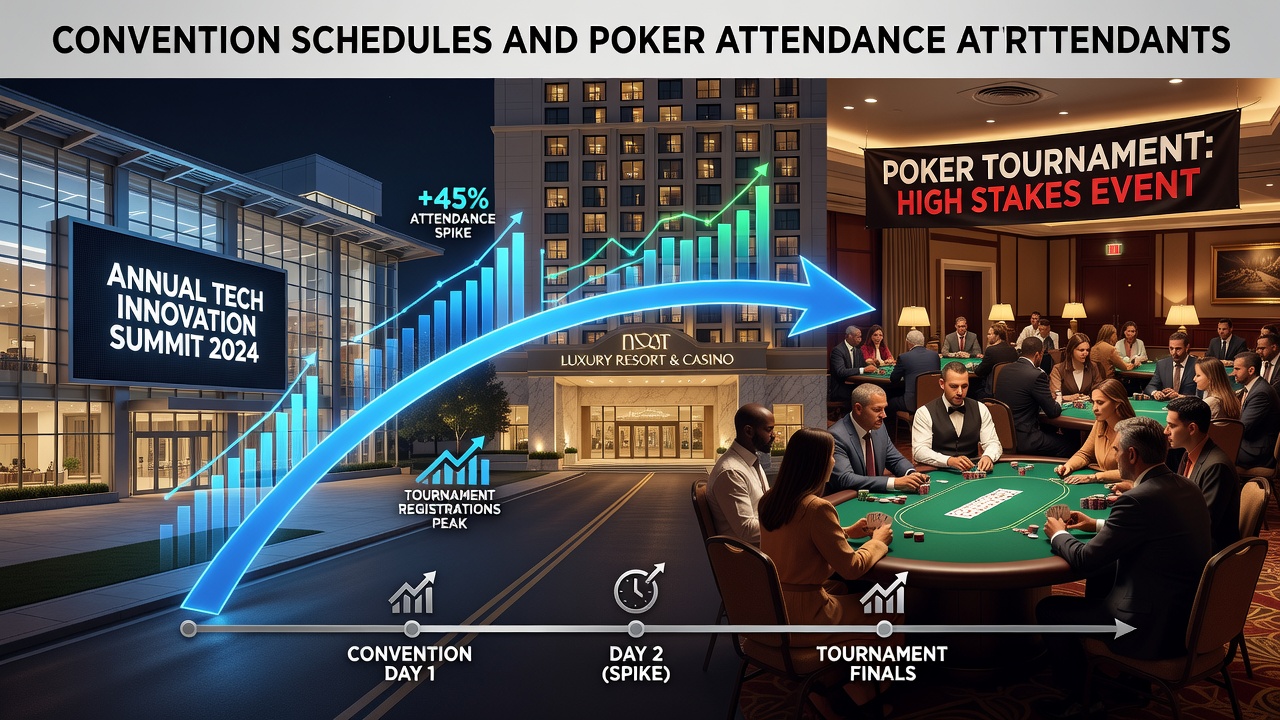
Convention schedules in major gaming destinations create measurable increases in poker tournament entries at resorts located within walking distance of event venues, according to attendance records compiled by property operators and regional tourism boards. Data collected across multiple properties shows entry numbers rising by 25 to 40 percent during peak convention weeks compared with non-convention periods in the same calendar month. Those patterns hold steady in July 2026 when several large trade shows are slated for the Las Vegas Convention Center, placing additional visitor volume directly beside multiple poker rooms.
Foot Traffic Patterns and Room Proximity
Resorts positioned adjacent to convention facilities experience the sharpest gains because attendees often seek evening entertainment options that require minimal travel time. Observers tracking daily foot counts note that delegates finishing sessions by late afternoon frequently cross into neighboring casino floors before dinner plans solidify. This proximity effect appears consistently across properties that share pedestrian bridges or short sidewalk routes with the main convention halls. Studies compiled by the University of Nevada, Las Vegas Center for Gaming Research document that average walk times under eight minutes correlate with higher spontaneous tournament registrations than distances exceeding fifteen minutes.
July 2026 schedules list overlapping events including technology expositions and medical device conferences that historically draw participants already familiar with poker through corporate hospitality suites or regional leagues back home. Tournament directors report receiving advance inquiries from group coordinators requesting block seating or satellite qualifiers timed to convention programming breaks.
Schedule Alignment Tactics Used by Operators
Property teams adjust start times and buy-in levels to capture convention traffic without disrupting regular local player rhythms. Morning flights scheduled around 10 a.m. allow overnight attendees to register before heading to daytime exhibits, while late-night flights accommodate those finishing conference obligations. Records from multiple properties indicate that $150 to $300 buy-in events see the largest percentage lifts during these windows, whereas higher-stakes daily tournaments maintain steadier local attendance regardless of external calendars.
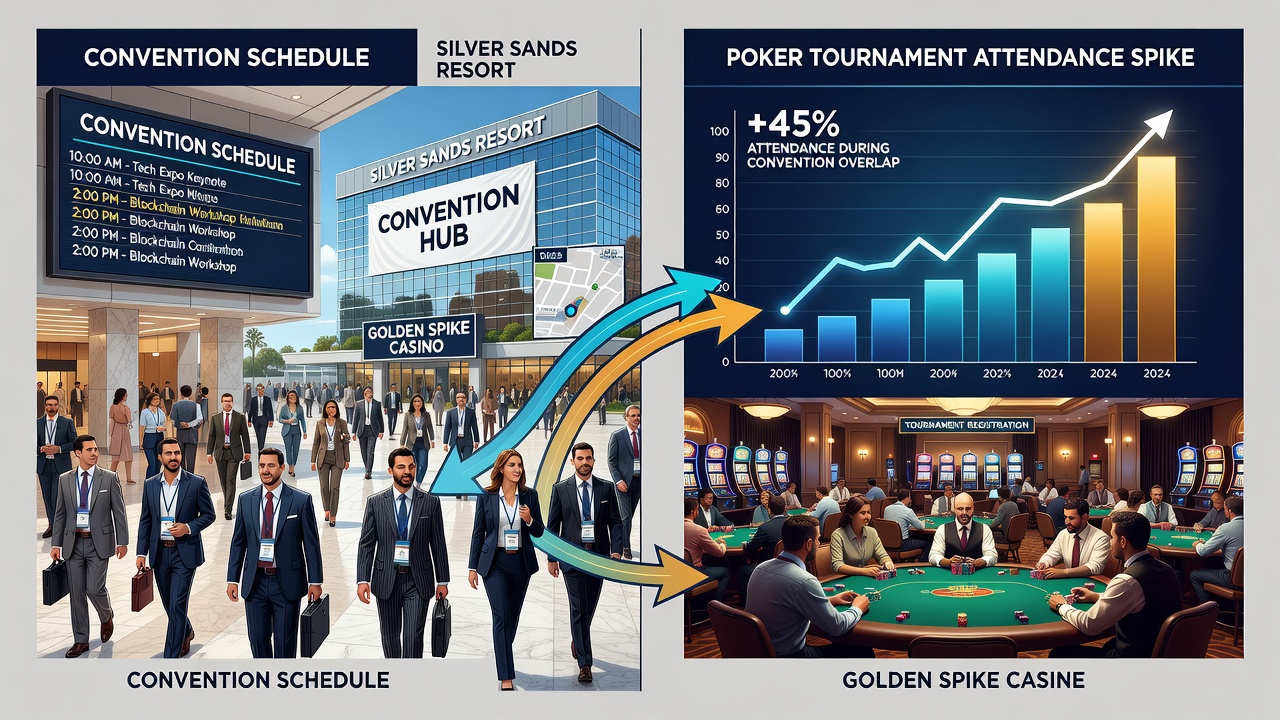
Operators also coordinate with convention organizers to promote tournament series through official attendee apps and welcome packets. One documented case involved a resort next to a major electronics show that offered discounted re-entry for badge holders, resulting in a 33 percent uptick in unique participants over a five-day period. Similar promotions tied to badge verification have appeared at additional venues during overlapping July dates in prior years.
Demographic Shifts Among Participants
Attendance data reveals a temporary change in player demographics during convention weeks, with an increased share of out-of-state visitors holding corporate roles. These players tend to register in mid-tier events rather than the smallest daily tournaments or the largest high-roller series. Tracking systems show shorter average session lengths for this group compared with year-round regulars, yet total entry volume still rises because the absolute number of new registrants exceeds the reduction in per-player time on felt. Resorts report that many convention-linked players return in subsequent years when their companies schedule repeat events at the same facilities.
Regional Data Sources and Reporting Methods
Figures compiled by the Nevada Resort Association and cross-referenced with convention center booking logs provide the primary datasets used to identify these correlations. Properties submit anonymized entry counts broken down by day and event type, allowing analysts to overlay convention calendars and isolate external influences from seasonal tourism cycles. Australian Gambling Research Centre reports on international visitor behavior have supplied additional context for understanding how conference travelers from abroad integrate poker into tightly scheduled business trips.
Conclusion
Convention schedules and adjacent poker tournament attendance maintain a documented relationship driven by location convenience, adjusted event timing, and targeted promotions aimed at badge holders. Records from July 2026 and prior periods show consistent percentage gains at properties sharing direct access routes with major event spaces, while more distant rooms experience smaller or negligible shifts. Continued collection of entry data alongside convention calendars allows operators to refine scheduling and marketing approaches that align with these recurring visitor patterns.