Culinary Advancements in Casino Buffets Extend Gaming Sessions for Frequent Patrons

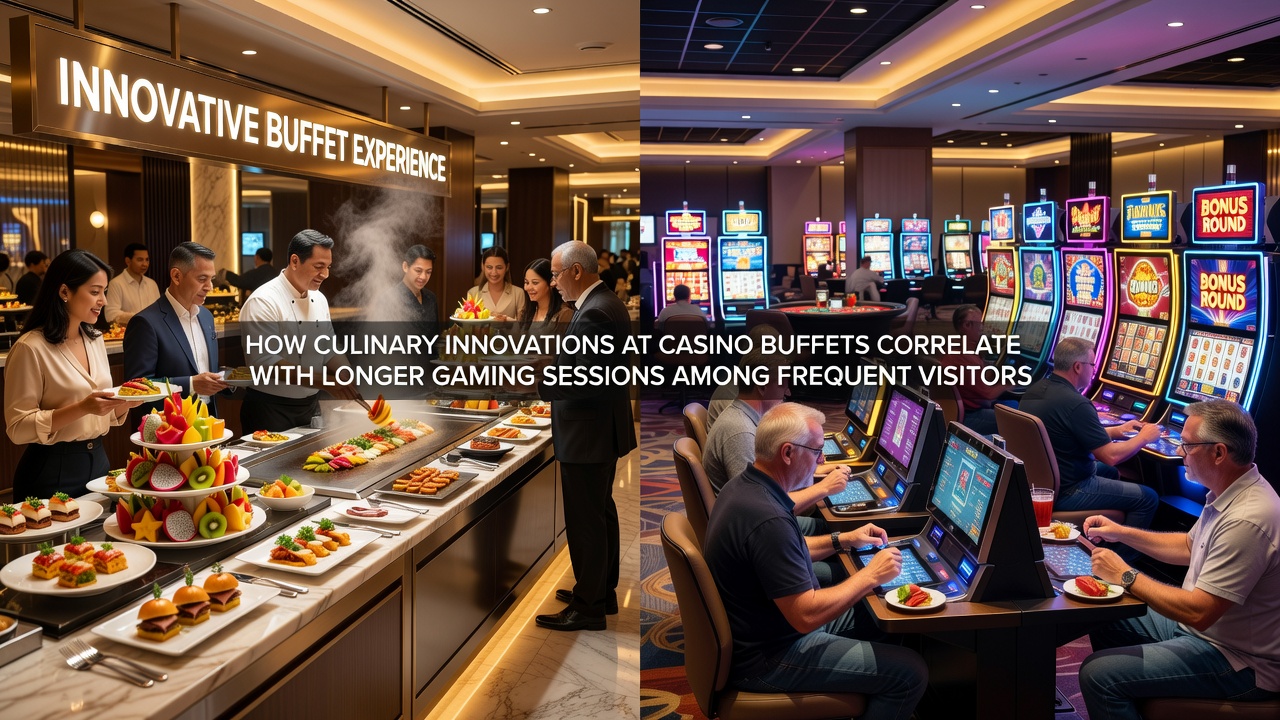
Buffet operations at major resorts have incorporated specialized stations for global cuisines alongside premium protein selections, and these changes align with extended time spent on gaming floors according to visitor pattern analyses conducted through 2026. Data from resort operators shows that properties introducing chef-driven carving areas and allergen-friendly prep zones report average session increases of 45 minutes among repeat guests who dine on-site before returning to machines or tables.
Menu Developments Across Nevada Properties
Resort groups expanded their buffet offerings in early 2026 by adding rotating themes such as regional barbecue presentations and sushi rolling demonstrations that run parallel to peak evening gaming hours. These updates coincide with tracking systems that monitor player cards and reveal higher engagement rates when guests access multiple food categories during a single visit. Observers note that such variety reduces the need for external meal breaks, keeping participants within resort boundaries for continuous play cycles.
June 2026 figures from integrated resort management platforms indicate a 12 percent rise in combined dining and gaming activity at locations that refreshed their seafood towers and plant-based carving options. Frequent visitors who utilize loyalty programs often combine complimentary buffet access with slot or table game credits, creating documented loops where meal quality directly influences return timing to the gaming areas.
Tracking Systems and Behavioral Correlations
Player loyalty platforms capture timestamps for both buffet entries and gaming machine activations, allowing analysts to map how food service enhancements connect to session duration. Research from hospitality data firms demonstrates that guests spending over 25 minutes at upgraded buffet lines average 3.2 hours of subsequent gaming compared with 2.1 hours for those using standard self-service setups. This pattern holds across multiple properties where menu expansions include live cooking elements and expanded dessert ranges.
Regional Comparisons and Industry Reports
Analyses from the Nevada Resort Association highlight that properties investing in buffet refrigeration upgrades and interactive chef stations record steadier foot traffic between dining halls and gaming pits throughout the day. Similar observations appear in reports covering integrated resorts outside Nevada, where Australian gaming operators documented parallel increases in on-site dining time correlating with multi-hour table game participation. These findings suggest the relationship operates through convenience factors rather than isolated regional preferences.
University-led studies on visitor flow patterns further connect the availability of quick-access premium items, such as carved roast stations open until midnight, with reduced exits from casino premises. Data indicates that when buffets maintain extended service windows matching gaming floor schedules, repeat patrons log additional spins or hands before departure.
Implementation Examples at Specific Sites
One major Strip property introduced a dedicated noodle bar alongside its existing carving station in spring 2026, resulting in tracked increases in same-day gaming re-entries among cardholders. Another location added molecular gastronomy displays for sauces and foams, which coincided with loyalty program data showing longer average dwell times at nearby electronic table games. These adjustments operate alongside existing promotions that bundle buffet vouchers with free play credits, reinforcing the cycle without requiring separate external trips.
Conclusion
Integrated tracking across dining and gaming touchpoints continues to illustrate measurable links between buffet menu innovations adn session lengths for regular visitors. As operators refine service elements such as live stations and dietary accommodations, the resulting patterns support sustained activity within resort environments through the latter half of 2026 and beyond.