Echoes of Fortune: How Casino Audio Cues Fuel Endless Slot Spins in Vegas
Echoes of Fortune: How Casino Audio Cues Fuel Endless Slot Spins in Vegas
The Pulsing Soundtrack of Sin City's Slot Zones
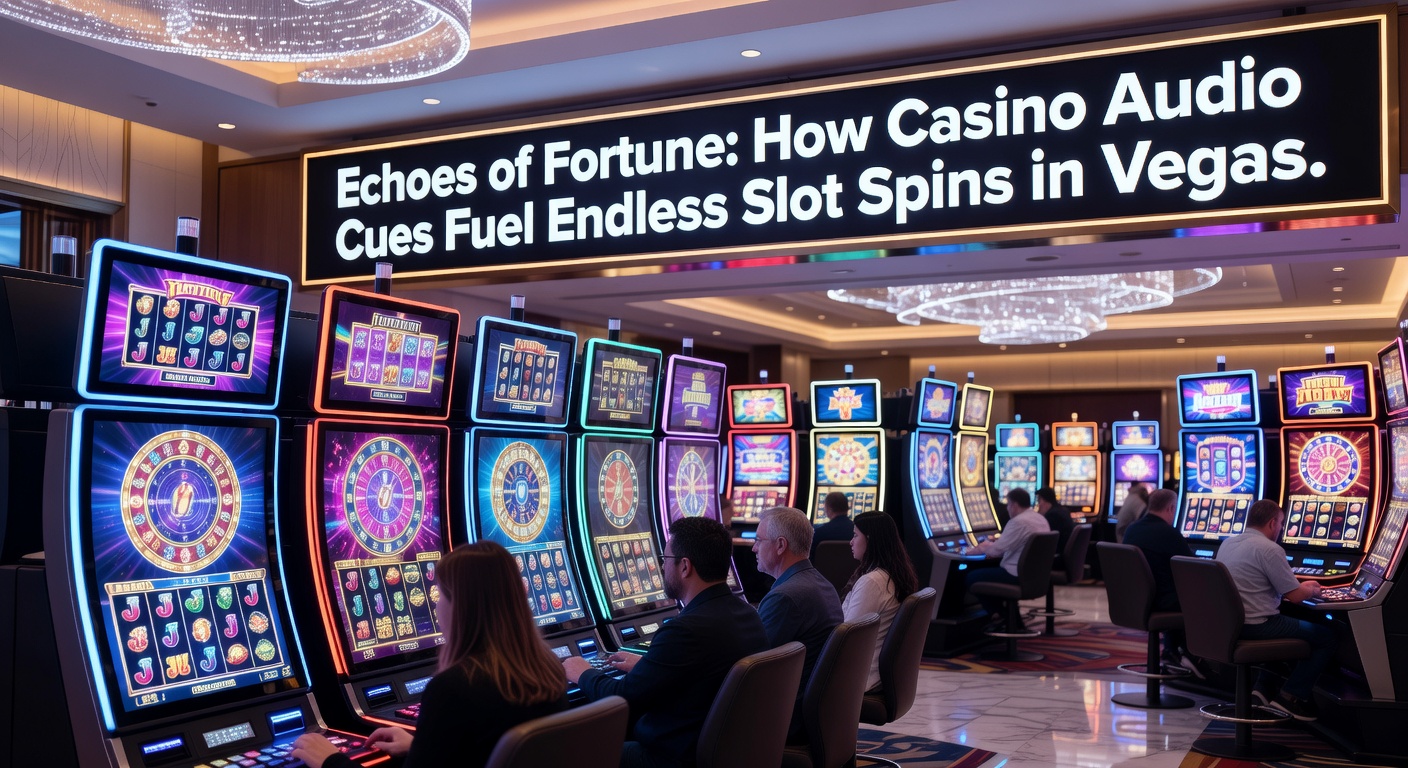
Las Vegas casino floors pulse with a symphony of sounds where slot machines dominate the auditory landscape, their chimes, jingles, and victory fanfares blending into a relentless backdrop that keeps players locked in; experts who've analyzed these environments note how this engineered cacophony drowns out external distractions, creating an immersive bubble around each spinner. Data from casino floor recordings reveals that slot audio volumes often hover between 70-90 decibels—levels comparable to a busy street—yet regulators permit it since no single machine exceeds safe thresholds, although the cumulative effect builds over hours. Players frequently report losing track of time amid the dings and whoops, a phenomenon researchers attribute to the strategic layering of celebratory tones that mimic real wins even on smaller payouts.
Take the classic Las Vegas strip resorts like Bellagio or Caesars Palace, where banks of slots from manufacturers such as IGT and Aristocrat pump out themed soundscapes; one observer dissecting audio logs from these venues found that machines themed around pop culture—think Wheel of Fortune or Buffalo Gold—ramp up tempo during spins, syncing beeps with reel movements to heighten anticipation. And while the neon glow pulls eyes in, it's the ears that casinos target most effectively, since sound travels faster than visuals, grabbing attention before players even process the screen.
Neuroscience Behind the Big Wins and Near-Misses
Studies reveal how these audio cues hijack brain reward systems, triggering dopamine releases similar to actual jackpots; researchers at the UNLV International Gaming Institute documented this in controlled experiments where participants exposed to slot sounds alone showed heightened arousal levels, even without visuals. What's interesting is the near-miss effect amplified by sound: when two cherries align with a third just off, a teasing "almost-there" trill plays, fooling the brain into perceiving progress and prompting another spin—data indicates players wager 15-20% more after such cues compared to silent losses.
Observers who've mapped brain scans during play note that victory jingles, often multi-layered with rising pitches and coin clatters, extend 5-10 seconds per payout, far longer than necessary for feedback; this prolongation, casinos argue, simply celebrates the win, but evidence suggests it conditions players to chase the auditory high, turning one pull into chains of bets. But here's the thing: not all sounds hook equally—low-frequency rumbles during bonus rounds vibrate through chairs, syncing with physical sensations to deepen immersion, while high-pitched chimes cut through the din, signaling potential fortunes from afar.
Sound Design Mastery from the Machine Makers
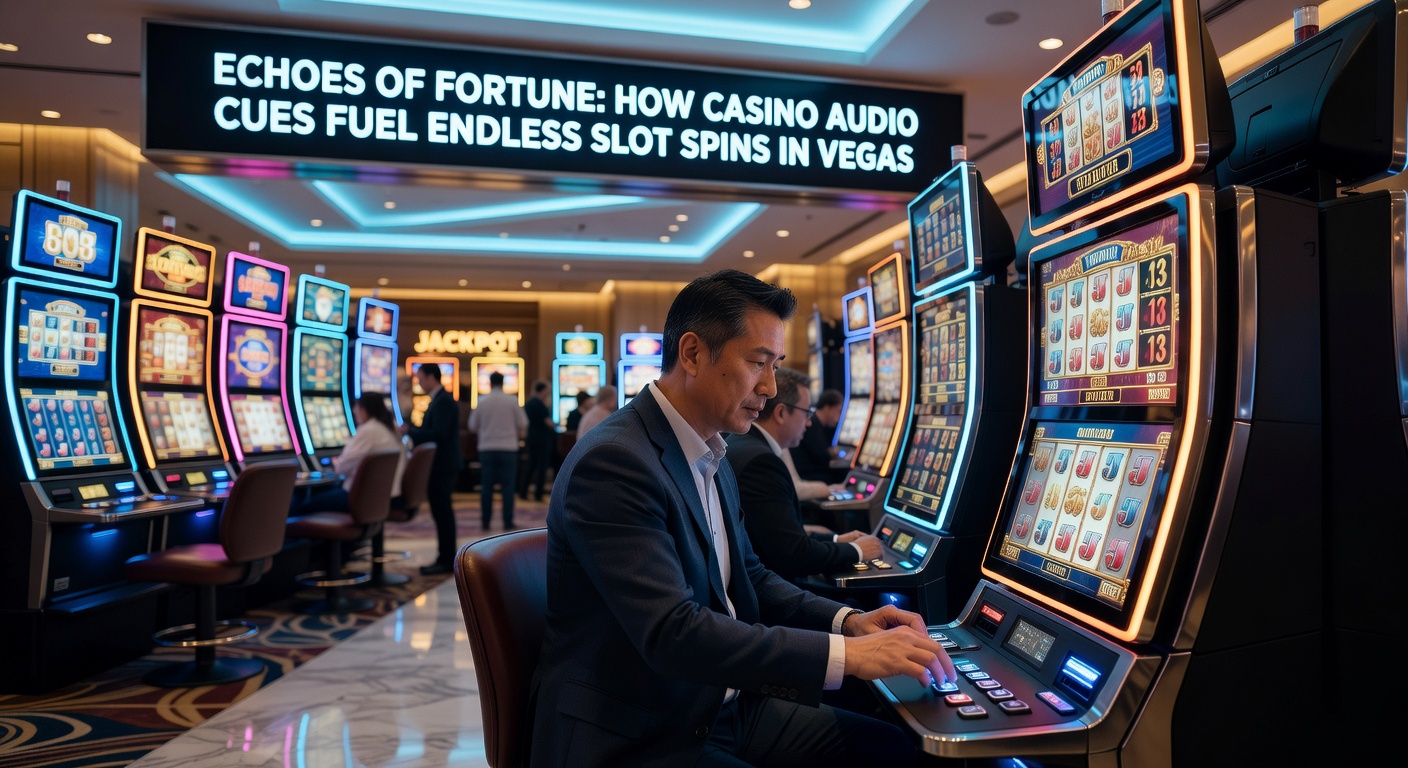
Casino audio wizards at companies like Scientific Games craft these cues using principles from video game soundtracks, layering procedural audio that adapts to player patterns; for instance, faster spins trigger quicker tempos, creating a feedback loop where enthusiasm builds momentum. Figures from industry reports show that modern video slots deploy over 50 unique sound files per game, from subtle hums during idle states to explosive orchestral swells on jackpots—turns out this variety prevents habituation, keeping ears perpetually primed.
One case study from a 2024 Vegas floor audit highlighted how linked progressives like Lightning Link use synchronized chimes across machines, turning individual plays into communal events; when one player hits, neighboring slots echo the fanfare, drawing crowds and extending sessions. And yet, designers embed subtle manipulations, such as variable payout volumes—big wins blast louder, small ones whisper—to skew perceptions of frequency, although manufacturers insist all complies with randomness standards set by oversight bodies.
Players who've logged their sessions often discover patterns: audio peaks correlate with peak betting times, especially late nights when fatigue sets in, making those chimes feel like lifelines amid the blur. It's noteworthy that mobile slots, now mirroring Vegas via apps, replicate these exact cues, bridging physical and digital play seamlessly.
Regulatory Oversight and Global Echoes
The Nevada Gaming Control Board mandates audio disclosures in technical specs, ensuring no subliminal frequencies or deceptive volumes, yet approvals focus more on fairness than psychological impact; recent filings from April 2025 reveal over 2,500 new slot models greenlit for Strip deployment, each with enhanced sound profiles tested for compliance. Across the Pacific, Australia's gambling research echoes these findings—studies from the Australian Gambling Research Centre indicate similar audio-driven persistence in players, with calls for decibel caps in high-traffic zones.
Canadian regulators in British Columbia have probed slot soundscapes too, finding that tonal progressions mimic addiction loops seen in behavioral psych labs; data there shows session times stretch 25% with immersive audio versus muted play. So while Vegas leads in volume and variety, international scrutiny pushes for balanced designs, hinting at future tweaks like player-controlled mute options—though adoption lags, given revenue ties to engagement.
Experts tracking trends predict that by April 2026, Nevada trials will test AI-modulated audio, adjusting cues based on play history to optimize flow without crossing ethical lines; this comes amid broader pushes for responsible gaming tech, where sound plays a starring role in both hook and potential relief.
Evolving Tech and Player Counter-Strategies
Now skill-based hybrids emerge, blending slots with audio-responsive mini-games where timing beats sync player inputs; prototypes at CES 2025 demos showed promise in reducing passive spinning, yet core cues remain to preserve thrill. Observers note VR slots in development amp immersion tenfold, with spatial audio placing jackpot roars right in ears—early tests from Vegas labs confirm even higher retention rates.
That said, savvy players arm themselves: apps now analyze casino sound profiles, alerting to high-engagement zones, while earplugs mute the pull without killing visuals. Research indicates those employing such tactics cut sessions by 30%, proving awareness disrupts the spell. Casinos counter with directional speakers beaming cues precisely at seats, evolving the arms race between design and defense.
It's interesting how themed audio ties into Vegas branding—Egyptian slots at Luxor rumble with ancient echoes, pirate machines at Treasure Island crash with waves—each reinforcing narratives that sounds sell harder than reels alone.
Conclusion
Casino audio cues stand as silent architects of slot endurance in Vegas, where every ding and flourish propels spins forward through psychological precision and design savvy; data underscores their potency, from dopamine spikes to session extensions, while regulators worldwide grapple with balances between fun and fixation. As April 2026 approaches with AI audio trials and global guidelines, the echoes of fortune evolve, yet the core rhythm persists—keeping reels turning amid the Strip's eternal hum. Players navigating this sonic sea gain edge through knowledge, turning awareness into smarter play.