Elevator Positioning Tactics in Las Vegas Strip Resorts Correlate with Table Game Traffic Volumes and Player Retention Data
Blake Russell · Aug 18, 2026
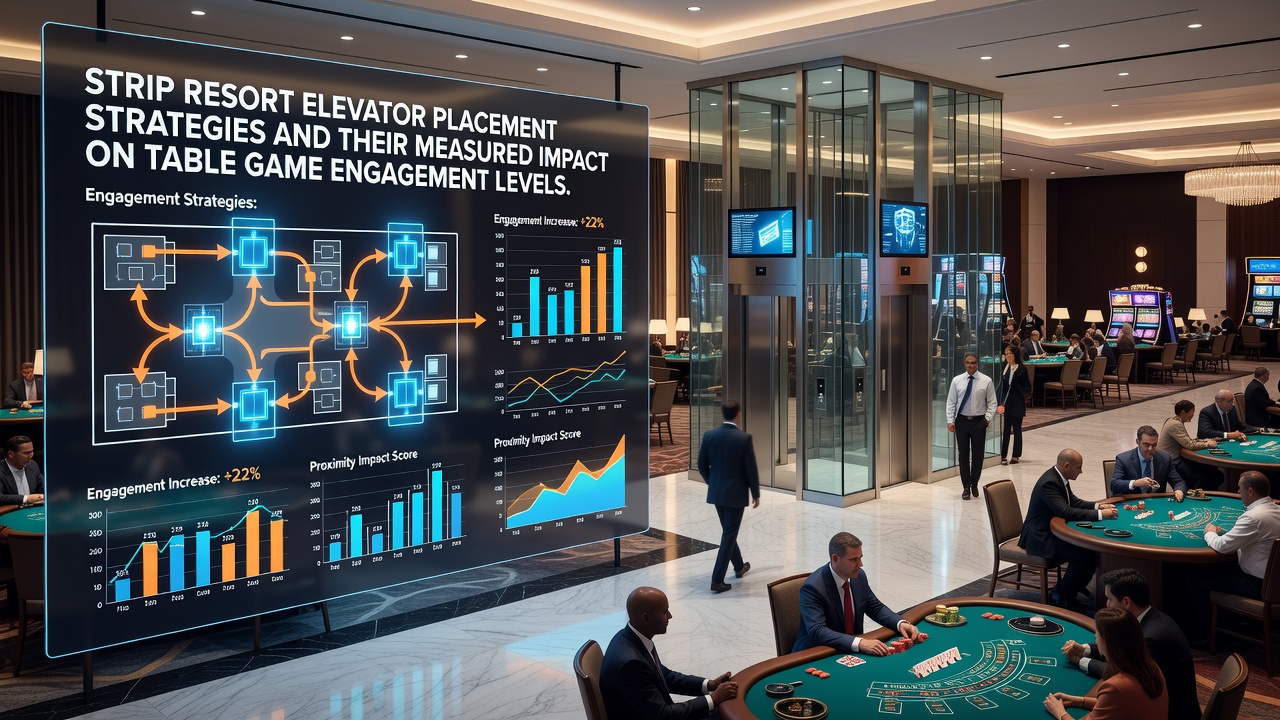
Elevator Positioning Tactics in Las Vegas Strip Resorts Correlate with Table Game Traffic Volumes and Player Retention Data
Las Vegas Strip properties have refined elevator placements over decades to guide foot traffic toward gaming floors, and analysts track how these choices shape table game participation. Resorts position central elevator banks near high-limit pits or scatter them toward slot banks, which creates measurable differences in how visitors reach blackjack and roulette areas during peak evening hours. Data compiled through player tracking systems shows that direct elevator access to table game zones increases average session lengths by directing groups straight from upper-floor rooms without detours through other attractions.
Design Patterns Across Major Properties
Properties built in the 1990s often clustered elevators at the rear of the casino floor, forcing guests to walk past table sections before reaching rooms, whereas newer towers integrate multiple banks that open onto separate gaming zones. Observers note that this evolution aligns with broader shifts in resort architecture where vertical circulation supports revenue centers. Resorts that added express elevators serving only tower floors report lower incidental table game stops, while those with elevators terminating directly beside pit areas record higher engagement metrics tracked through carded play data.
August 2026 updates at several Strip locations introduced sensor-based crowd flow monitoring that ties elevator wait times to table game occupancy rates. These systems log how delays at certain banks push players toward nearby tables rather than allowing them to bypass entirely. Researchers from the University of Nevada, Las Vegas gaming management program have documented similar patterns across multiple sites, finding that a single additional elevator bank positioned adjacent to baccarat rooms can lift hourly table utilization by measurable percentages when compared against baseline layouts.
Measured Effects on Engagement Metrics
Traffic studies using RFID and camera analytics reveal that guests exiting elevators within 30 meters of active tables spend more time observing games before proceeding elsewhere. One property group adjusted its central elevator configuration in early 2025 and recorded a sustained rise in table game headcount during comparable periods, according to internal reports shared with industry analysts. The change redirected flows away from slot corridors and toward pits, which produced corresponding increases in average bets per hour at those stations.
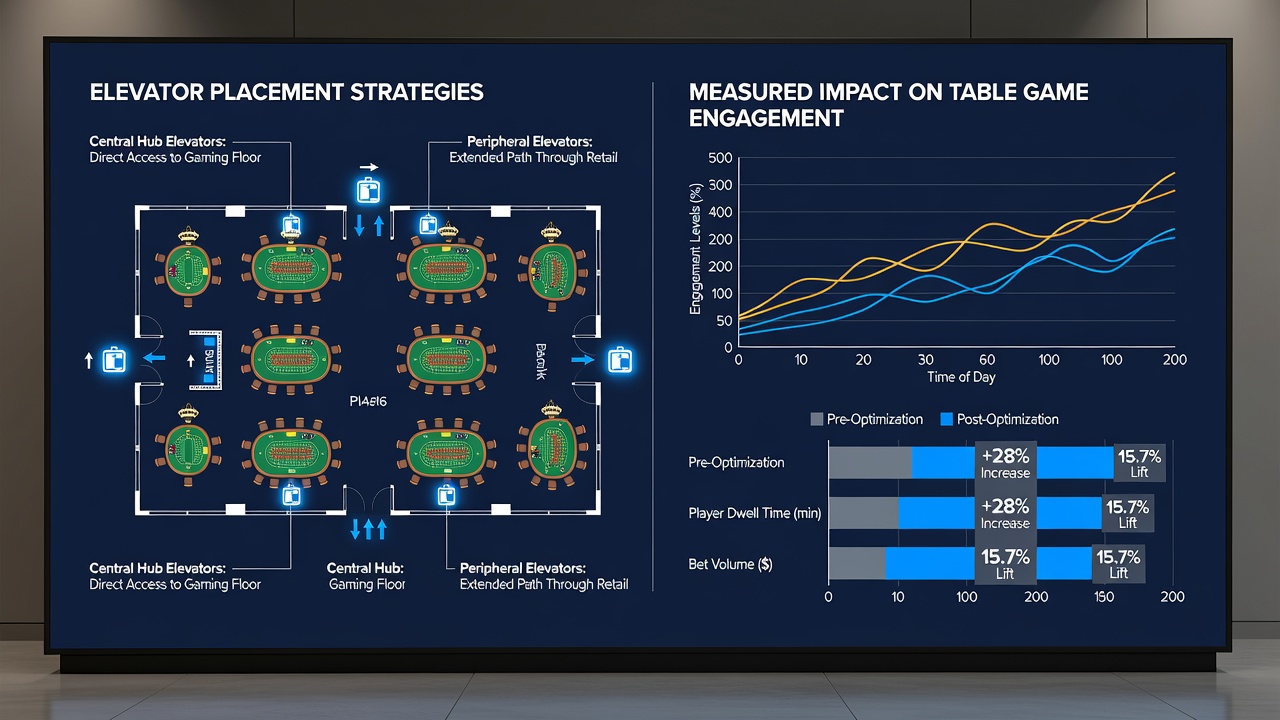
Properties that maintain elevators on the periphery of the gaming floor experience different outcomes. Visitors often reach rooms or restaurants first and return later only if prompted by other cues, resulting in lower spontaneous table game participation. Data from the Nevada Gaming Control Board indicates that table game drop figures at resorts with centralized elevator access tend to show steadier evening peaks, while peripheral designs correlate with more variable hourly volumes tied to external events like shows or conventions.
Case Examples from Strip Operations
Take one major resort that relocated a secondary elevator bank closer to its sports book and high-limit tables during a 2024 renovation. Subsequent tracking showed elevated player counts at those stations during the following quarter, with repeat visits rising among guests who previously bypassed the area. Another site kept its primary elevators near the main entrance and added a dedicated tower lift behind the poker room, which produced documented upticks in poker table occupancy during afternoon hours when room check-ins peak.
Those who've analyzed these adjustments emphasize that elevator placement works alongside other factors such as signage, lighting, and pit visibility. Yet the physical routing created by elevator doors remains a consistent variable in flow models used by operations teams. Resorts continue testing variations, including timed elevator sequencing during busy periods to balance loads across multiple gaming zones rather than concentrating traffic at one entry point.
Broader Industry Context and August 2026 Developments
Industry reports from the American Gaming Association highlight how vertical circulation planning fits into larger efforts to optimize non-gaming amenities without sacrificing core revenue streams. Properties monitor real-time table game waitlists alongside elevator usage logs to identify bottlenecks where players disperse before reaching open seats. August 2026 saw several operators pilot app-based elevator dispatch systems that suggest routes based on current table availability, further linking circulation design to engagement outcomes.
Similar strategies appear in integrated resorts outside Nevada, where Canadian operators have adapted comparable modeling for their table areas. These cross-regional comparisons underscore that elevator placement functions as one controllable element within complex player journey maps. Data indicates that even modest repositioning can shift participation patterns when measured against control periods at the same properties.
Conclusion
Strip resort operators continue refining elevator placements to align with table game objectives, supported by ongoing data collection from tracking technologies and operational adjustments. The documented links between circulation design and engagement levels provide a framework for future property modifications, as teams balance guest convenience with revenue considerations across evolving resort layouts.