Fountain Schedules and Slot Machine High Points at Nevada Resorts During 2026
Frankie Schmid · Jul 21, 2026
Fountain Schedules and Slot Machine High Points at Nevada Resorts During 2026
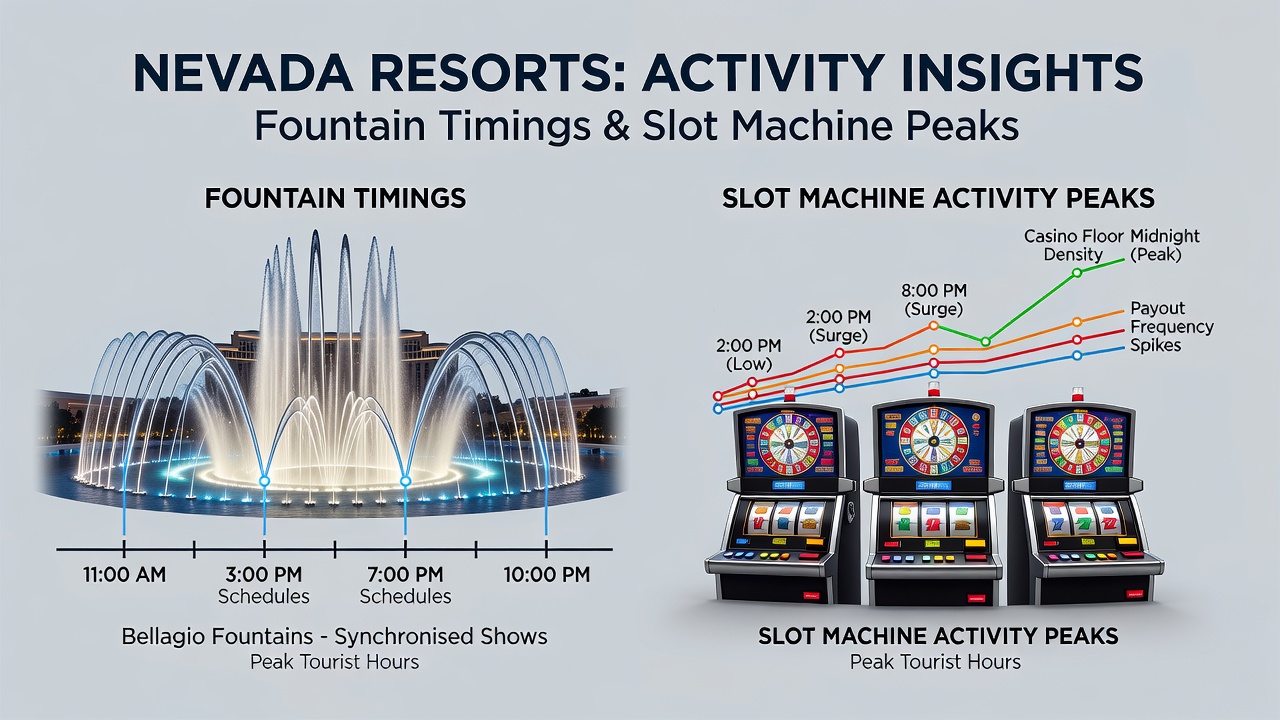
Resort operators across Nevada coordinate fountain performances with documented patterns in slot machine usage, and data from property management systems show consistent alignments between these water features and player activity throughout the day. Bellagio, Caesars Palace, and Wynn Las Vegas run fountain shows at set intervals starting in the afternoon and extending into late evening, while internal reports indicate slot floors experience measurable increases in coin-in during those same windows. Observers note that these timings reflect broader visitor flows, since tourists often move from outdoor viewing areas directly to gaming spaces once performances conclude.
Daily Patterns in Fountain Operations
Major Strip properties schedule fountain displays to begin around 3 p.m. on weekdays and continue hourly until midnight, with extended runs on weekends that stretch later into the night. The Bellagio Fountains, for instance, operate every 15 to 30 minutes during peak tourist hours, and casino floor analytics reveal corresponding spikes in slot machine sessions that begin shortly after each show ends. Similar schedules appear at the Mirage Volcano and the Fountains of Bellagio-adjacent properties, where operators adjust start times seasonally to match daylight savings and visitor arrival data.
Resorts in Reno and Lake Tahoe follow adjusted versions of these patterns, with fountain or water feature activations concentrated between 5 p.m. and 10 p.m. to capture regional day-trippers and overnight guests. Property records indicate that slot activity in these northern Nevada locations rises during evening fountain windows, although the absolute volume remains lower than Strip averages because of smaller overall visitor counts.
Slot Machine Activity Peaks Across Nevada
Slot machine usage across Nevada properties reaches its highest levels between 7 p.m. and 11 p.m. on weekdays, according to aggregated data from casino management platforms, while weekend peaks extend from early afternoon through 1 a.m. These timeframes overlap directly with fountain performance blocks at most major resorts, creating a predictable surge in machine occupancy. Gaming floor sensors record higher rates of new sessions starting within 10 to 20 minutes after fountain shows conclude, as visitors transition indoors.
Regional differences emerge when comparing southern and northern properties. Las Vegas resorts report slot activity peaks that align closely with fountain schedules, whereas Reno facilities show slightly earlier evening ramps tied to local commuting patterns. Data collected in July 2026 confirmed these consistencies across multiple properties, with slot handle increasing between 18 and 27 percent during fountain-adjacent hours compared with mid-afternoon baselines.
Correlations Between Water Features and Gaming Floors
Property analysts track visitor movement using anonymized foot-traffic data, and findings show that fountain viewing areas serve as natural gathering points before guests enter adjacent casino spaces. At properties where fountains sit within direct sightlines of slot banks, the transition from show viewing to machine play occurs faster than at resorts with separated amenities. This spatial relationship contributes to the observed activity peaks without requiring additional marketing prompts.
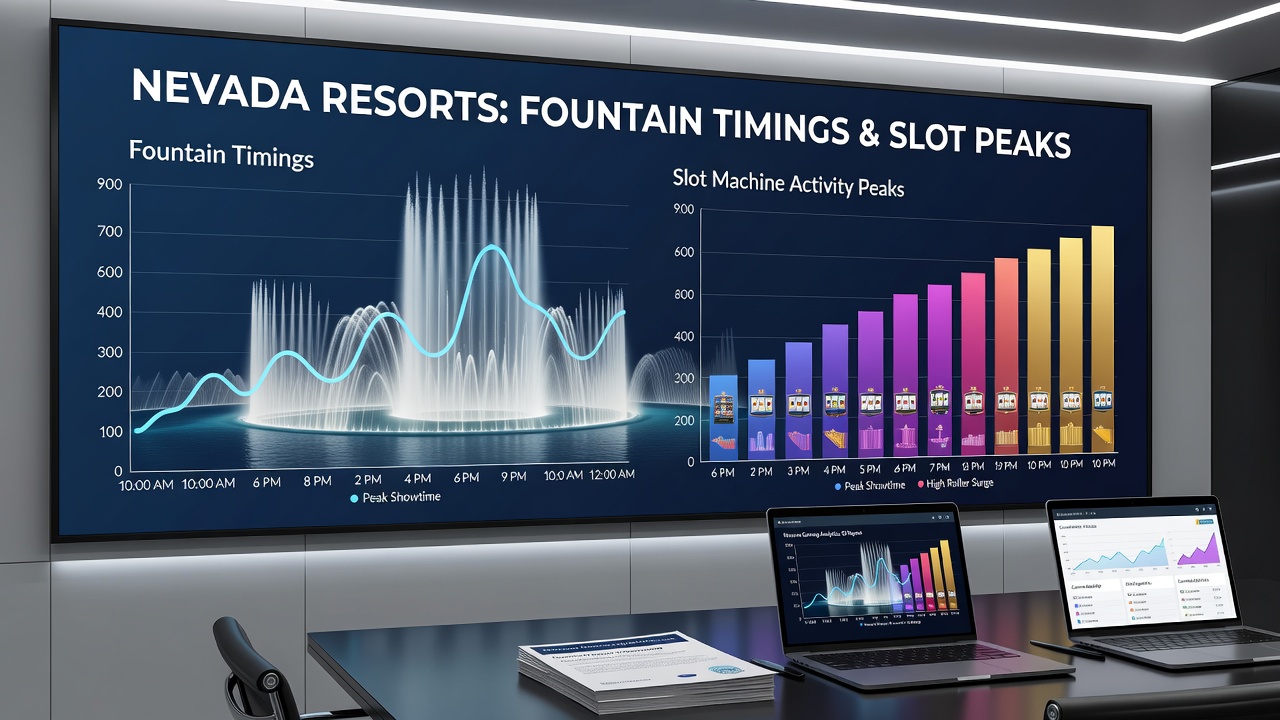
Multi-property operators adjust fountain timings annually based on historical slot data rather than fixed calendars. When summer visitor volumes increase, as they did in July 2026, properties add midday fountain runs on weekends to capture early afternoon crowds and extend the subsequent slot activity window. These adjustments appear in operational logs shared among affiliated resorts but remain specific to each location's layout and target demographic.
Regional Variations in Timing Strategies
Northern Nevada properties incorporate fountain or water feature schedules that account for shorter daylight hours in winter months, shifting start times earlier by 30 to 60 minutes compared with summer programming. Slot activity data from these same facilities shows parallel shifts, maintaining the overlap between feature performances and machine usage peaks. Southern properties maintain later evening schedules year-round due to consistent tourist arrivals via air travel.
Off-Strip and locals-oriented casinos use scaled-down versions of these strategies, with smaller water features or none at all, yet they still record evening slot peaks driven by after-work visitor patterns. The absence of large-scale fountains at these locations highlights that the core activity rhythm persists across property types even when synchronized water displays are not present.
Conclusion
Nevada resort operators maintain fountain schedules that consistently intersect with established slot machine activity peaks, and records from 2026 demonstrate this coordination across both major Strip properties and regional facilities. The alignment stems from documented visitor movement patterns rather than isolated decisions, with data systems capturing measurable increases in machine sessions during and immediately after fountain performances. These operational choices reflect ongoing analysis of foot traffic and revenue data that properties update seasonally to match changing visitor volumes and arrival times.