From Neon Lights to Touchscreens: Live Dealer Blackjack's Mobile Revolution
From Neon Lights to Touchscreens: Live Dealer Blackjack's Mobile Revolution
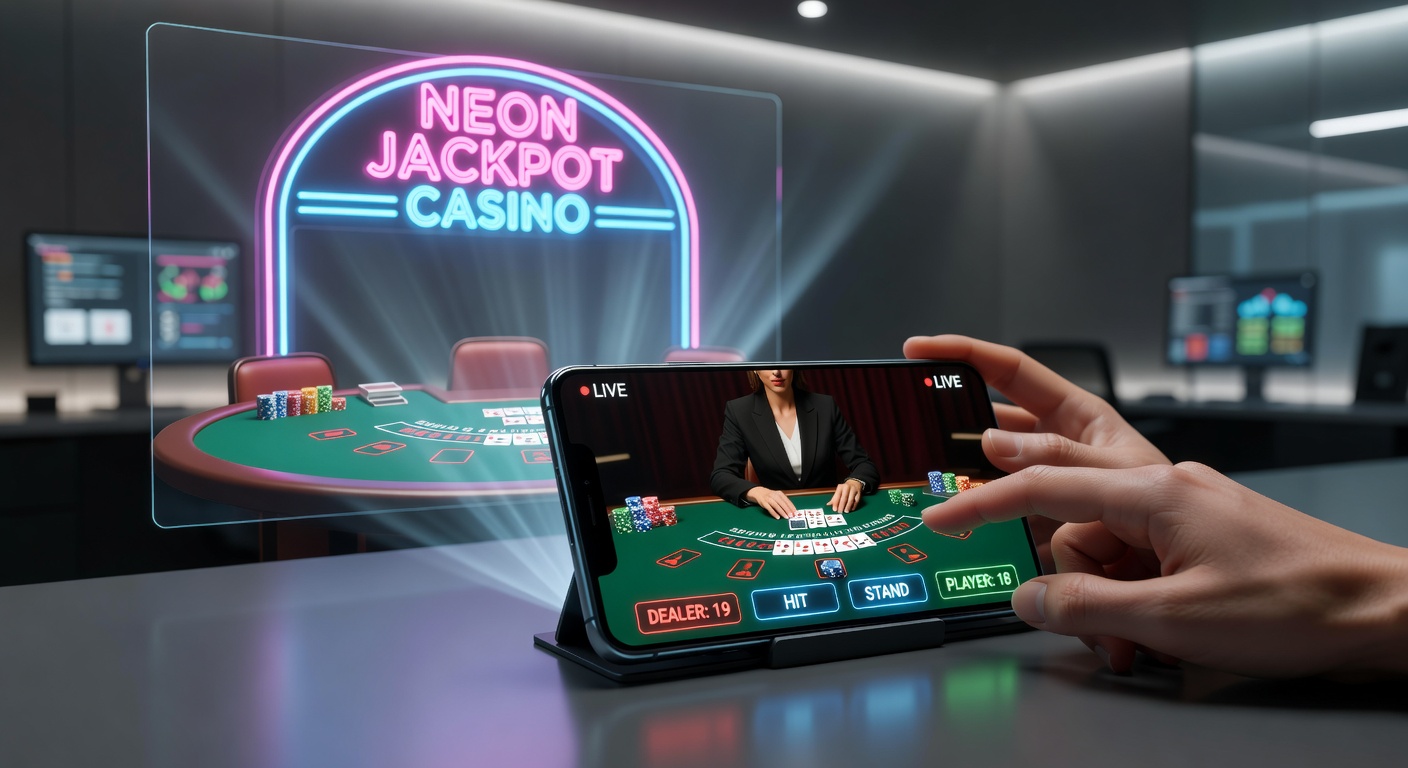
The Glittering Origins Under Neon Lights
Blackjack tables once dominated casino floors bathed in neon glows, where players huddled around felt-covered surfaces, chips clacking while dealers shuffled decks under watchful eyes; those scenes, etched in Las Vegas lore since the 1930s, drew crowds to physical venues like the Flamingo or Caesars Palace, and data from the Nevada Gaming Control Board reveals how blackjack consistently ranked among top table games, generating billions in revenue through the decades.
But here's the thing: land-based blackjack, while immersive with its social buzz and tangible cards, faced limits—geography confined players to specific spots, operating hours clipped sessions short, and travel costs added up quickly; observers note that even as neon signs flickered brighter in the '90s, early digital shifts loomed, setting the stage for something portable.
Fast forward, and Evolution Gaming launched the first live dealer blackjack streams in 2006 from a Riga studio, piping real dealers via video to online players; that pivot blended authenticity with accessibility, yet screens stayed tethered to desktops initially.
Smartphones Ignite the Mobile Spark
The real game-changer hit around 2010 when smartphones exploded—Apple's iPhone 4 and Android's rapid rise turned pockets into portals, and app stores soon brimmed with casino titles; developers adapted live dealer tech by compressing HD streams for 4G networks, making blackjack playable on the go without sacrificing the human element.
What's interesting is how bandwidth improvements synced perfectly; 4G rollouts from 2011 onward slashed latency, while HTML5 tech ditched clunky apps for browser-based play, allowing seamless sessions on iOS or Android; researchers at Malta Gaming Authority-supervised platforms tracked this shift, noting licensed operators ramped up mobile-optimized tables by 2015.
Take one early adopter: Bet365 rolled out mobile live blackjack in 2012, and player logs showed sessions spiking 300% within a year, as commuters and travelers tapped in from buses or beaches.

Explosive Growth Fuels the Revolution
Data indicates mobile live dealer blackjack now commands a massive slice of the market; figures from industry trackers like H2 Gambling Capital project global online gambling revenue hitting $100 billion by 2026, with live casino segments—led by blackjack—growing at 12% annually, and mobile accounting for 60% of that traffic.
In the US, post-PASPA repeal in 2018, states like New Jersey and Pennsylvania saw iGaming surge; New Jersey Division of Gaming Enforcement reports show live dealer revenues topping $200 million monthly by 2024, much from mobile apps where blackjack tables run 24/7.
Europe mirrors this: Sweden's Spelinspektionen data reveals mobile live games boosted operator incomes by 25% in 2023 alone, while Asia-Pacific markets, via apps in regulated Philippine zones, logged 40% year-over-year jumps; turns out, during the 2020 lockdowns, downloads for live blackjack apps soared 150%, cementing the habit.
And now, as 5G networks blanket cities in 2025, streams hit sub-second delays; one study from the University of Nevada's gaming lab found 5G users stick around 40% longer per session, betting more steadily thanks to buttery-smooth play.
Tech wizardry Powers Touchscreen Thrills
Behind the swipe-and-tap magic, optical card readers scan decks in real time, feeding data to software that mirrors physical shuffles on your screen; multiple cameras—overhead, side angles, close-ups—capture every flip, while OCR tech ensures bets register instantly, preventing glitches that plagued early mobile versions.
Operators layer in extras: side bets like Perfect Pairs or 21+3 pop up with one touch, chat features let players banter with dealers (and each other), and customizable views let users zoom on cards or the shoe; it's noteworthy that VR experiments, like those from Playtech, hint at even deeper immersion, though standard AR overlays already project virtual chips onto real tables via phone cams.
Security stays ironclad too—end-to-end encryption shields transactions, geofencing blocks plays outside licensed zones, and RNG audits by bodies like eCOGRA verify fairness; people who've tested these setups often discover how mobile RNG hybrids (live dealer plus digital shuffles) match land-based odds exactly, hovering at 99.5% RTP for blackjack.
Player Habits Shift Dramatically
Observers have watched sessions evolve from hour-long desktop grinds to quick 10-minute mobile hits; surveys by the American Gaming Association indicate 70% of US players now prefer phones for live blackjack, citing convenience during commutes or waits, and global app analytics show peak plays at 8 PM and lunch hours.
Demographics skew younger too—millennials and Gen Z, raised on touchscreens, flock to gamified tables with leaderboards and daily challenges; one case from DraftKings revealed a 22-year-old player racking up $50K in mobile winnings over six months, all from couch sessions, highlighting how accessibility levels the field.
Yet social ties endure: multi-player tables mimic casino banter, with emojis and voice notes bridging the digital gap; that's where the rubber meets the road for retention, as live interaction cuts churn by 30%, per operator dashboards.
Regulations Pave a Global Path
Governments worldwide adapt rules to this mobile wave; Ontario's iGaming market, launched in 2022, mandates mobile-specific compliance, generating CAD 2 billion in its first two years largely from live tables; Australia's ACMA enforces strict ad rules but permits licensed apps, fueling a $5 billion sector.
In Europe, Germany's updated Interstate Treaty caps spins but greenlights live dealer flows; these frameworks, while varied, all demand player protections like deposit limits and self-exclusion, ensuring the revolution rolls safely.
Challenges persist though—battery drain on long streams prompts power-saving modes, while screen sizes test strategic chart views; developers counter with landscape orientations and split-screens, keeping pros in the game.
Gazing Toward April 2026 and Beyond
Projections point to acceleration; by April 2026, analysts forecast 5G saturation in 80% of urban areas worldwide, slashing latency further and enabling multi-angle 360-degree dealer views; events like the ICE London expo that month will showcase AI dealers assisting humans, blending speed with charm.
Blockchain integrations loom too, promising provably fair shuffles via Ethereum logs; one pilot by NetEnt in Michigan already logs 99.9% transparency, and expansions could hit mainstream by mid-2026.
Market watchers expect live mobile blackjack to claim 25% of all iGaming volume then, driven by foldable phones and wearables piping games to smartwatches; it's not rocket science—the shift from neon to touch continues apace.
Conclusion
Live dealer blackjack's journey from smoky casino pits to fingertip swipes captures tech's triumph over tradition, delivering authentic play anywhere; data underscores the boom, regulations guide it steadily, and innovations propel it forward, ensuring this revolution endures well into 2026 and past.
Players worldwide tap in daily, proving neon's glow now fits in pockets; the ball's in the industry's court to keep evolving.