Massachusetts Gaming Commission Chair Spotlights Risks from Unregulated Prediction Markets in Fragmented US Landscape
Massachusetts Gaming Commission Chair Spotlights Risks from Unregulated Prediction Markets in Fragmented US Landscape
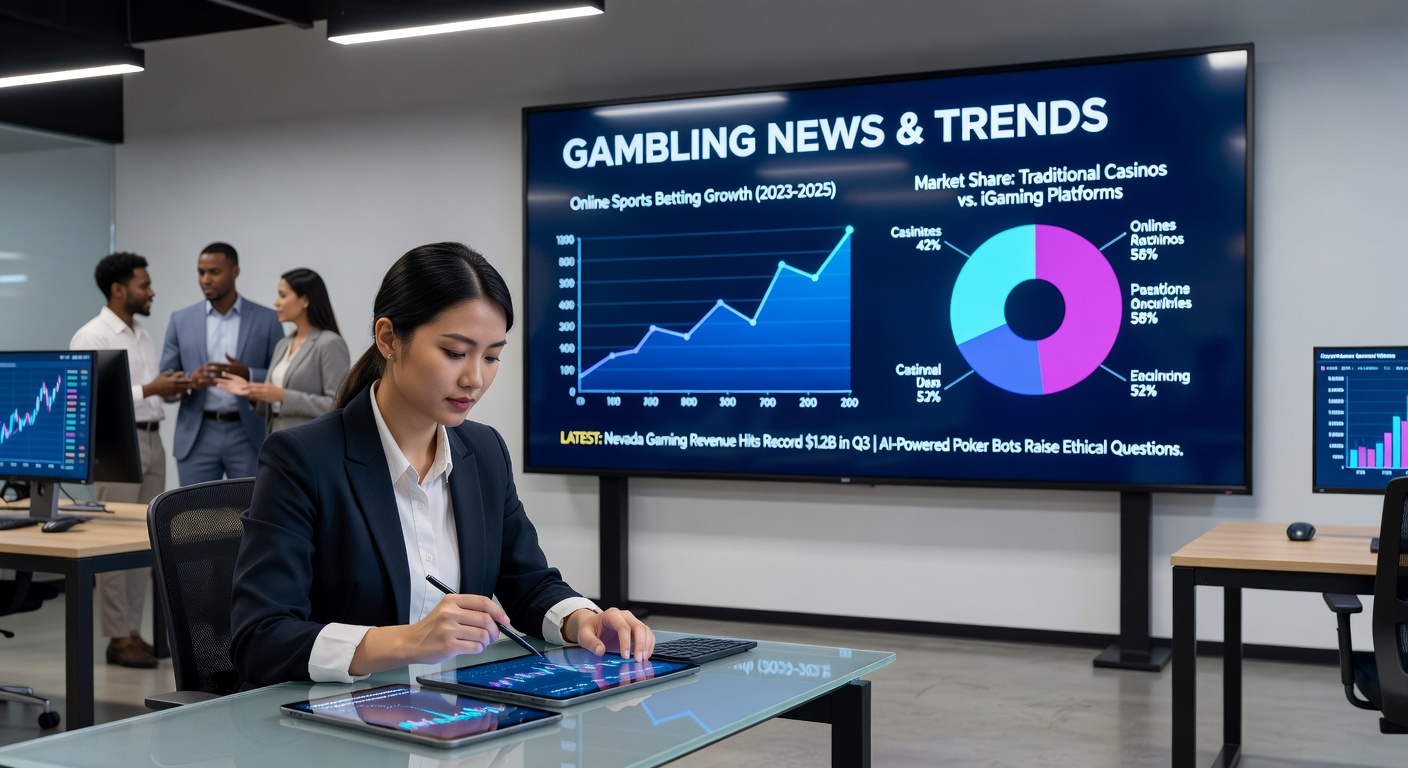
Key Statements from Chair Jordan Maynard
Chair Jordan Maynard of the Massachusetts Gaming Commission recently drew attention to escalating gambling risks across the rapidly expanding and fragmented U.S. market, zeroing in on unregulated prediction markets such as Kalshi and Polymarket that open doors to users over 18—including youth reached through aggressive social media campaigns—and often facilitate forms of illegal sports betting. Maynard made these points during a public address, underscoring how these platforms operate in legal gray areas, blurring lines between event prediction and traditional wagering while evading state-level oversight. What's notable here is the chair's emphasis on the platforms' accessibility, since they require no age verification beyond self-reported data, potentially exposing younger audiences to betting mechanics disguised as market speculation.
And while prediction markets promise innovative ways to gauge public sentiment on elections, weather, or sports outcomes, Maynard highlighted their drift into prohibited territories like sports contracts, which many states classify as straight-up gambling. Observers note that this fragmentation stems from varying state laws—some embrace sports betting post-2018 Supreme Court ruling, others hold back—leaving national platforms to exploit gaps, much like offshore sites did before legalization waves hit.
Massachusetts Court Ruling Shakes Up Kalshi Operations
A recent Massachusetts court decision blocked Kalshi from offering sports-related contracts, a move Maynard referenced as a critical step in curbing unregulated activity, although the ruling faced an immediate stay pending appeal, keeping the platform's future uncertain. This legal back-and-forth illustrates the tension between federal commodity regulations under the Commodity Futures Trading Commission (CFTC)—which greenlit Kalshi for certain event contracts—and state gaming authorities who view sports predictions as unlicensed betting. Take Kalshi's brief foray into NFL or NBA outcomes; courts in Massachusetts deemed them sports wagers, not allowable derivatives, prompting the block even as the company pushes nationwide expansion.
Polymarket, operating largely on blockchain with crypto settlements, dodges similar scrutiny by basing offshore, yet Maynard pointed out its U.S. user targeting via apps and social ads, where bettors trade shares on yes/no questions tied to real-world events, including athletics. Data from platform analytics reveals millions in volume on sports events alone, fueling concerns that these tools normalize gambling for novices who might not grasp the odds or addiction hooks embedded in the interface.
New Partnership with BetBlocker Targets Illegal Access
In response, Maynard announced a fresh collaboration between the Massachusetts Gaming Commission and BetBlocker, a self-exclusion tool designed to bar users from illegal platforms at the device level, blocking over 250,000 sites worldwide through browser extensions and apps. This partnership rolls out statewide tools for residents to lock out prediction markets and offshore books, building on voluntary programs that have seen thousands enroll since launch; it's a proactive jab at accessibility, especially since social media algorithms push these apps to under-21 demographics scrolling feeds late at night.
BetBlocker, developed with input from global regulators, integrates geofencing and IP detection to enforce blocks, and figures from its usage reports show high effectiveness in Australia and Canada where similar tools cut unauthorized play by up to 70% among participants. Massachusetts aims to mirror those gains, pairing the tech with public awareness drives that explain how prediction markets mimic slots or sportsbooks in payout structures, albeit wrapped in financial jargon.
Push for Federal Advertising Standards Amid State Patchwork
Maynard called for uniform federal guidelines on gambling advertising, arguing that inconsistent state rules—from Massachusetts' strict TV ad curfews to looser Western states—allow prediction platforms to flood digital spaces unchecked, often glamorizing quick wins on sports or politics without risk disclosures. The reality is a patchwork: while Nevada's Gaming Control Board mandates responsible gaming tags in spots, others lag, and crypto-based Polymarket skips traditional ads for influencer partnerships on TikTok or X, reaching 18-24-year-olds en masse.
Experts who've tracked ad spend note prediction markets poured millions into 2024 election cycles alone, normalizing bets for casual users who then cross over to regulated apps; Maynard's plea echoes broader calls from the Alcohol and Gaming Commission of Ontario, where similar fragmentation led to harmonized digital ad rules across provinces. Without federal guardrails—perhaps via FTC or CFTC—states like Massachusetts shoulder the load, fining violators while platforms pivot to VPN workarounds.
Massachusetts Gaming Commission's Responsible Gaming Track Record
Maynard praised the MGC's ongoing efforts in responsible gaming, spotlighting a $450,000 fine levied against DraftKings for geofencing lapses that let out-of-state players slip through during 2023-2024, a penalty that funded addiction hotlines and education. The commission runs PlaySafeMA, a hub for self-exclusion across retail and online, with over 10,000 enrollees blocking access for years; programs extend to youth via school partnerships, teaching bet recognition in apps that look like games.
But here's where it gets interesting: MGC data reveals a 15% uptick in helpline calls tied to online platforms since prediction markets surged, prompting tools like wager limits and reality checks that DraftKings now mandates post-fine. Observers point to collaborations with national groups, where Massachusetts leads in transparency reports detailing operator compliance, ensuring fines deter while revenues—nearing $100 million annually—bolster treatment funds. And looking ahead to April 2026, as federal reviews of CFTC event contracts loom, MGC positions itself to influence outcomes, potentially tightening sports exclusions nationwide.
Take one case from commission logs: a 19-year-old flagged repeated Polymarket deposits funneled through peer apps, highlighting youth vulnerabilities Maynard stressed; such stories drive policy, with MGC now auditing social media influencers for undisclosed promo ties. It's not rocket science—these steps close loops in a market where legal sports betting hit $120 billion in 2025 handle, per industry trackers, yet unregulated corners grow unchecked.
Conclusion
Chair Maynard's remarks cut through the noise of U.S. gambling's boom, laying bare how prediction markets like Kalshi and Polymarket test boundaries in a splintered regulatory field, from court stays in Massachusetts to calls for federal ad harmony and tools like BetBlocker to shield users. The commission's fines, partnerships, and data-driven pushes offer a blueprint, even as platforms adapt with offshore pivots or crypto veils; ultimately, stakeholders watch for 2026's federal moves, where the ball lands in lawmakers' court to sync state efforts against youth-targeted risks. This single spotlight from Massachusetts underscores a larger pivot: balancing innovation with safeguards in an industry that's anything but static.