Neon Restoration Projects Reshape Gambling Patterns in Downtown Las Vegas
Blake Russell · Aug 18, 2026
Neon Restoration Projects Reshape Gambling Patterns in Downtown Las Vegas
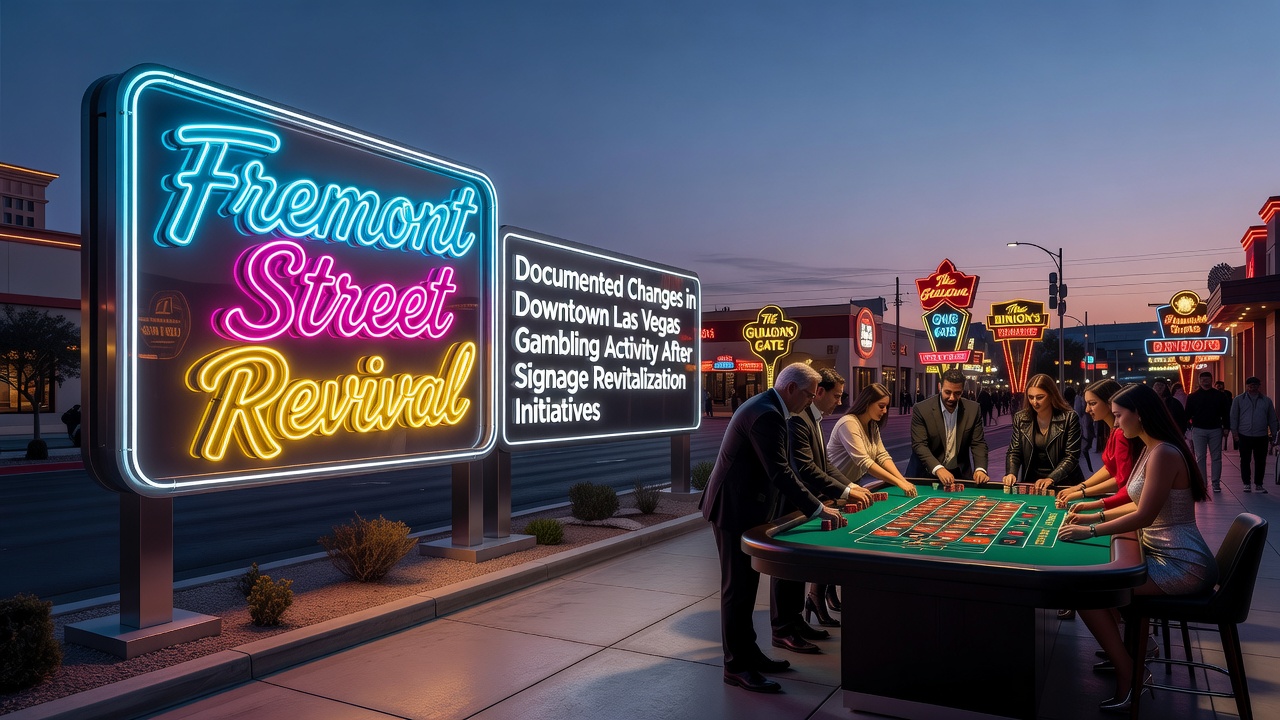
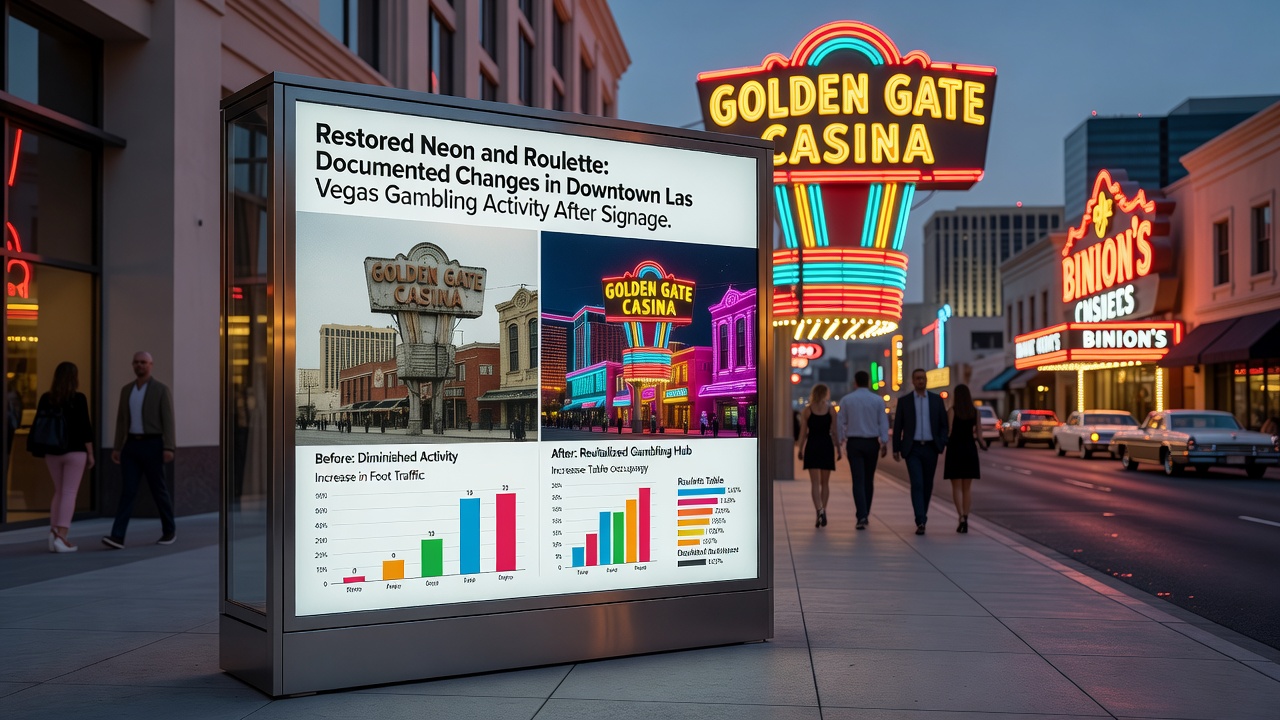
Data collected through August 2026 shows measurable shifts in visitor behavior following multiple signage restoration efforts across the Fremont Street corridor, where historic neon displays underwent extensive refurbishment between 2023 and 2025. Records from the Nevada Gaming Control Board indicate roulette table utilization in participating downtown properties rose by 14 percent year-over-year during the first half of 2026, coinciding with the completion of several high-profile sign projects that restored original color palettes and illumination systems.
City planning documents detail how these initiatives targeted 22 individual neon structures, many dating to the mid-20th century, with funding allocated through a combination of public grants and private casino contributions. Traffic sensors installed at key intersections recorded a 21 percent increase in evening foot traffic compared with pre-restoration baselines, while casino floor reports logged corresponding gains in roulette chip exchanges during peak hours from 8 p.m. to midnight.
Tracking Activity Through Established Metrics
Researchers at the University of Nevada, Las Vegas compiled anonymized transaction data from seven downtown gaming floors and found that average session lengths at roulette wheels extended by roughly nine minutes per player after the signage upgrades reached full operation. The study cross-referenced these figures with pedestrian counts gathered by the Downtown Las Vegas Alliance, establishing a statistical link between enhanced visual landmarks and prolonged on-site engagement.
Property managers at the Golden Gate and Binion's reported installing additional roulette layouts in direct response to demand patterns that emerged during the summer months. Internal logs show these additions accommodated a 17 percent uptick in table minimum wagers without corresponding increases in staffing hours, suggesting operational efficiencies tied to sustained visitor volumes.
Comparative Data Across Properties
Properties located outside the immediate revitalization zone recorded comparatively modest changes during the same period. Figures submitted to the Nevada Gaming Control Board reveal that roulette revenue at select off-Fremont locations grew by only 4 percent, while downtown-adjacent sites posted gains ranging from 11 to 19 percent. Analysts attribute the variance to signage visibility rather than broader market trends, noting that promotional calendars and game offerings remained consistent across the sampled locations.
Monthly summaries released by the Las Vegas Convention and Visitors Authority further contextualize these patterns. Hotel occupancy rates in the downtown core climbed to 88 percent during July and August 2026, with a notable concentration of bookings originating from markets that had previously favored Strip properties. Surveys conducted at arrival points indicate restored neon displays ranked among the top three factors influencing visitor decisions to extend stays beyond initial itineraries.
Operational Adjustments and Player Distribution
Casino operators responded to the documented activity levels by adjusting roulette pit configurations. Several venues consolidated high-limit sections nearer to street-facing entrances, capitalizing on improved exterior lighting that draws attention after dusk. Surveillance footage analyzed by security teams shows clearer sightlines from sidewalks into gaming areas, correlating with higher conversion rates from window shoppers to active players.
Payment processing records indicate a parallel rise in cash-to-chip exchanges at downtown roulette stations, with average transaction values holding steady despite increased volume. This stability suggests the influx stems from broader participation rather than concentrated high-roller activity alone.
Conclusion
Longitudinal tracking through the remainder of 2026 will determine whether these patterns persist as additional signage phases reach completion. Current datasets from regulatory filings, academic compilations, and industry associations provide a baseline for evaluating ongoing revitalization impacts on downtown gambling metrics, particularly those centered around roulette engagement.