Nevada's Exclusive Gaming Salons: Documented Effects on Dealer and Patron Exchanges in Peak Periods
Lars Keller · Jul 26, 2026
Nevada's Exclusive Gaming Salons: Documented Effects on Dealer and Patron Exchanges in Peak Periods
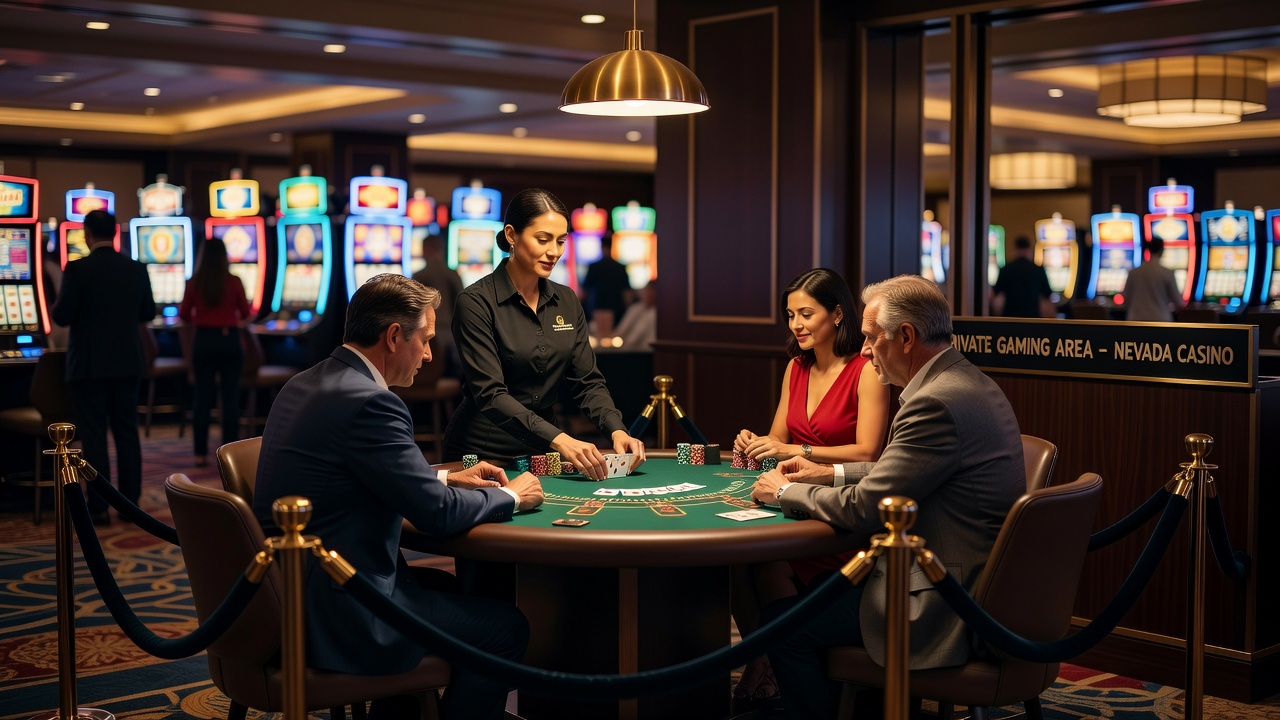
Private gaming areas in Nevada casinos operate as designated high-limit salons and VIP rooms that separate select patrons from the main floor during peak hours, and these spaces follow specific operational guidelines set by the Nevada Gaming Control Board. Data from casino reports shows that such areas typically feature fewer tables, higher minimum bets, and dedicated staff assignments which alter the pace and nature of dealer-patron exchanges compared to standard pits. Observers note that during July 2026 peak periods, when visitor volumes rise across Strip properties, these salons maintain controlled access that influences interaction duration and focus.
Operational Structure of Private Areas
Private gaming salons in Nevada facilities include dedicated entrances, separate surveillance coverage, and customized table configurations that accommodate smaller groups of players at any given time, while main floor areas handle higher volumes. According to industry data, these rooms often employ dealers on rotational shifts that align with documented high-traffic windows, resulting in more consistent staffing levels per table than those observed in open pits. Researchers have recorded that minimum bet thresholds in these spaces range from $100 to several thousand dollars, which correlates with extended play sessions and fewer table changes during busy evenings.
Dealers assigned to private areas receive training protocols that emphasize individualized service elements, such as direct communication on game rules and bet tracking, and this setup produces measurable differences in interaction patterns. Figures from resort operational logs indicate that peak-hour traffic in these salons leads to interactions averaging longer per hand because fewer distractions occur from surrounding crowds or ambient noise.
Interaction Patterns During Peak Hours
Peak hours in Nevada casinos, typically spanning late afternoons through early mornings on weekends and holidays, bring increased foot traffic that compresses space in public areas yet leaves private salons operating at steadier capacities. Studies from gaming research groups show that dealers in these exclusive rooms engage in more direct eye contact and verbal exchanges per transaction, since table layouts position participants closer together and reduce interruptions from other players requesting service. Data indicates that tip collection methods in private settings often involve pooled systems that distribute gratuities based on hours worked rather than individual table performance, which differs from many public pit arrangements.
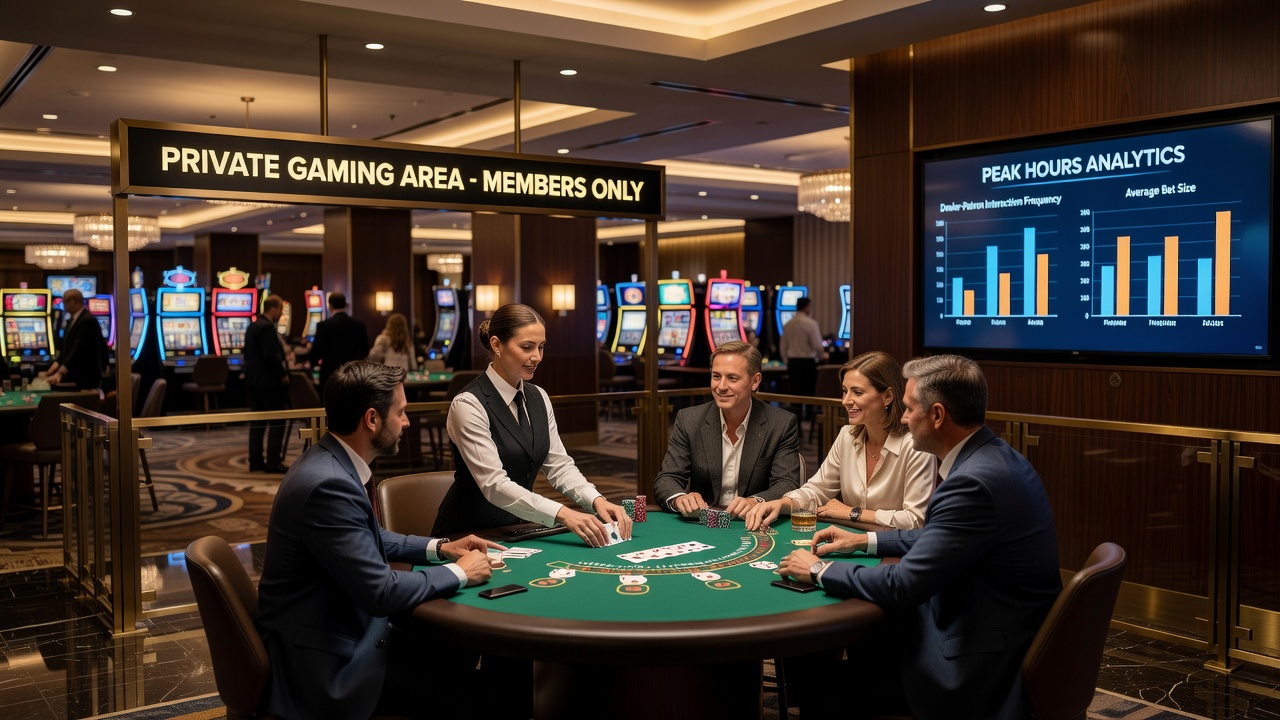
One documented case from a major Las Vegas property revealed that dealers in private salons handled an average of 12 percent fewer hands per hour during July 2026 peak times compared to colleagues on the main floor, yet each interaction included additional steps for verifying player preferences and managing larger wager adjustments. Those who have analyzed shift reports note that patrons in these areas frequently request specific dealers based on prior visits, which creates continuity in service that public floor dynamics rarely sustain.
Staffing and Service Adjustments
Casino management assigns experienced dealers to private gaming areas during peak periods to manage the higher stakes and personalized requests that arise, and this practice stems from internal performance metrics rather than regulatory mandates. Evidence from multiple Nevada resorts demonstrates that these assignments result in reduced dealer fatigue from crowd navigation, allowing more sustained focus on game pace and rule clarifications. American Gaming Association reports highlight that private room protocols include separate break schedules and relief dealer rotations that maintain consistent table coverage even when overall resort traffic spikes.
Patron requests in these salons often involve custom game variations or side bets that require dealers to coordinate with floor supervisors more frequently than in standard settings. Observers tracking interaction logs have found that such coordination adds brief pauses to play but supports compliance with house rules during extended sessions.
Regulatory and Operational Context
Nevada regulations require all gaming areas, including private salons, to adhere to uniform surveillance and reporting standards, yet operators retain flexibility in layout and access policies that shape daily interactions. Data collected through state-mandated audits shows consistent application of these standards across properties, with private rooms contributing to overall revenue without separate compliance categories. Industry organizations have compiled figures indicating that private gaming spaces account for a measurable share of table game activity during peak months, though exact percentages vary by resort size and location.
Dealers working these areas participate in the same licensing and ongoing training programs as those on public floors, which ensures uniform standards for game integrity regardless of room designation. What's interesting is how access policies, such as invitation-only entry or credit line requirements, filter the patron pool and thereby influence the frequency of rule questions or dispute resolutions during busy periods.
Conclusion
Private gaming areas in Nevada casinos function as distinct operational zones that modify dealer-patron interactions through controlled access, dedicated staffing, and adjusted table dynamics during peak hours. Records from regulatory bodies and resort operations confirm that these spaces maintain separate but compliant environments where interaction length, service elements, and staffing patterns diverge from main floor activity. Continued monitoring by state agencies tracks these elements as part of broader gaming oversight, providing data that informs both operational decisions and compliance verification across the industry.