Patterns in poker room tournament structures and their alignment with resort amenity packages for extended visitor engagement
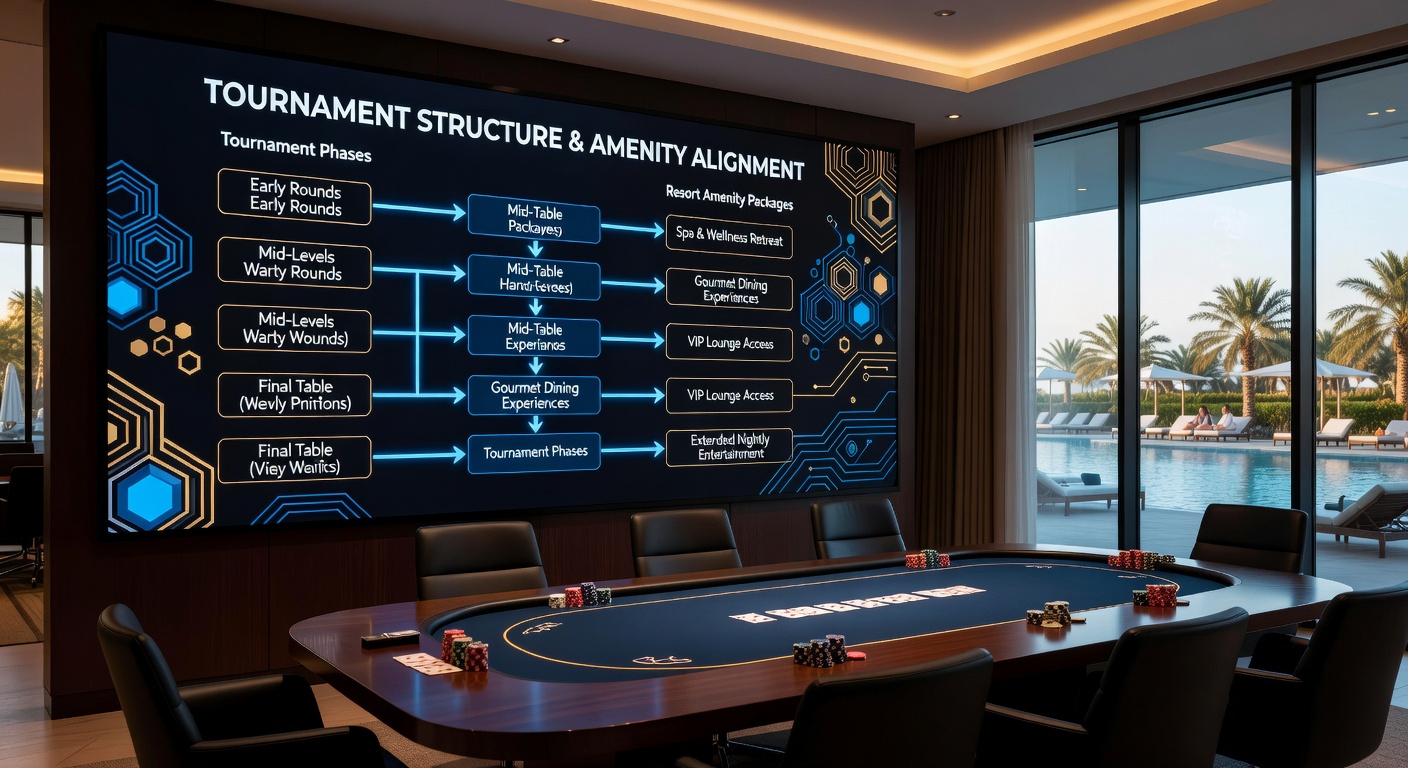
Resort properties across major gaming destinations have adjusted poker room operations to match broader visitor retention goals, with tournament formats evolving alongside bundled amenity offerings that encourage longer stays. Data from industry tracking shows multi-day events now incorporate structures such as progressive bounty formats and satellite qualifiers that feed into main tournaments, patterns that align with packages including extended hotel blocks, dining credits, and spa access timed to event schedules.
Observers note that daily deep-stack tournaments, often scheduled in the late afternoon, pair with evening entertainment options while morning satellite events connect to breakfast inclusions in resort bundles. This coordination appears in properties where check-in flexibility extends through tournament registration periods, allowing participants to arrive earlier and depart later without separate bookings.
Tournament Structure Patterns Across Regions
Freezeout formats remain common in shorter daily events, yet re-entry and add-on options have increased in frequency according to reports covering operations through May 2026. These elements create predictable entry points that match amenity timelines, such as two-night stay packages that cover both a satellite day and a main event day. Properties in the western United States demonstrate consistent use of progressive knockout structures where bounties accumulate across days, a pattern that keeps players on site during periods when resort restaurants and lounges offer bundled discounts.
Meanwhile, eastern and midwestern venues incorporate more turbo and hyper-turbo side events that fit between longer sessions, allowing guests to utilize pool or fitness center access included in multi-night packages. Data indicates these shorter formats fill gaps in daily schedules without conflicting with primary tournament commitments, supporting steady foot traffic through amenity areas.
Integration with Amenity Packages
Resort operators have linked tournament buy-in incentives to package redemptions, where a portion of entry fees converts to credits for golf, shows, or retail outlets. This approach appears in promotional materials that list event calendars alongside available bundles, creating direct pathways from registration to additional on-site spending. In several documented cases, properties extend late checkout privileges to tournament participants who book through designated channels, aligning departure times with final table schedules.
Canadian gaming facilities have followed similar alignments, with reports from provincial operators highlighting how multi-day poker series coincide with seasonal amenity promotions such as winter spa packages or summer outdoor activity credits. These combinations encourage visitors to extend trips beyond single-event participation, with data showing higher utilization rates for bundled services during tournament windows compared to non-event periods.
Visitor Engagement Metrics and Timing
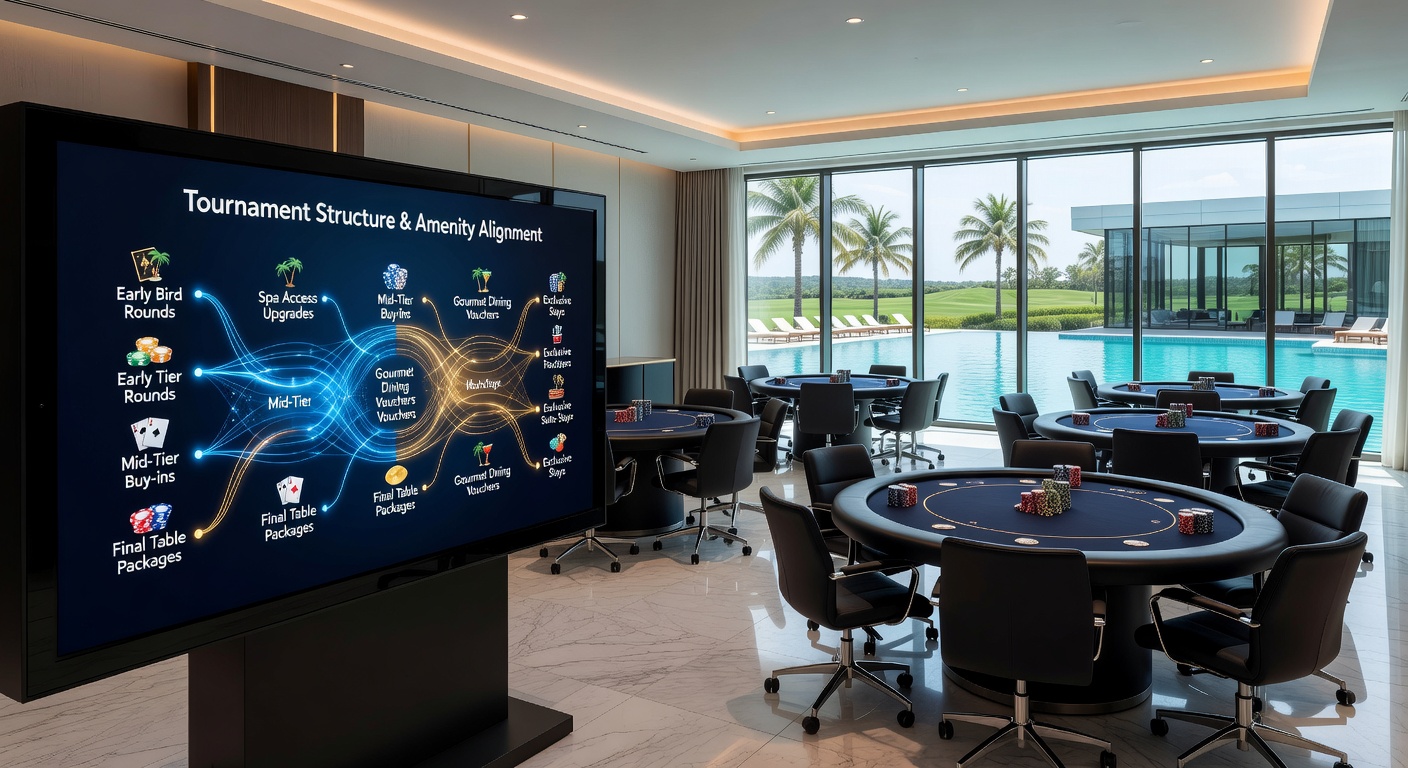
Tracking systems at integrated resorts reveal that guests participating in aligned tournaments record longer average property visits, often spanning three to five nights when packages include both lodging and event-related perks. Patterns emerge around peak registration windows, typically two to three weeks before major series, during which marketing directs attention to combined offerings rather than isolated tournament entries.
European properties, particularly those in regulated markets, apply comparable tactics with daily tournaments feeding into weekly high-roller events that pair with conference or meeting space packages. Figures from industry associations indicate this structure supports extended engagement by overlapping poker activities with business or leisure amenities already reserved through the same booking system.
Regional Variations in Execution
Australian venues emphasize bounty hunter and cash splash formats during holiday periods, coordinating these with family-oriented resort packages that include child activity credits or additional room nights. This creates participation opportunities for mixed groups where one member focuses on tournaments while others access separate amenities. Data collected through May 2026 shows measurable upticks in package redemptions when such events overlap with school breaks or public holidays.
Properties maintain these patterns through centralized scheduling software that cross-references tournament calendars against amenity availability, minimizing conflicts and maximizing concurrent use. Observers note that this operational layer supports consistent delivery across different property sizes, from large integrated resorts to smaller boutique gaming hotels.
Conclusion
The alignment between evolving poker tournament structures and resort amenity packages reflects coordinated operational strategies across multiple jurisdictions. Tournament formats adapt to create recurring engagement points that map onto bundled offerings, while data from regulatory and industry sources documents corresponding increases in visit duration and amenity utilization. These patterns continue to shape how properties structure both events and packages to sustain visitor presence through integrated scheduling and incentive systems.