Resort Expansions Shed Light on Evolving Slot Preferences Among Loyal Guests
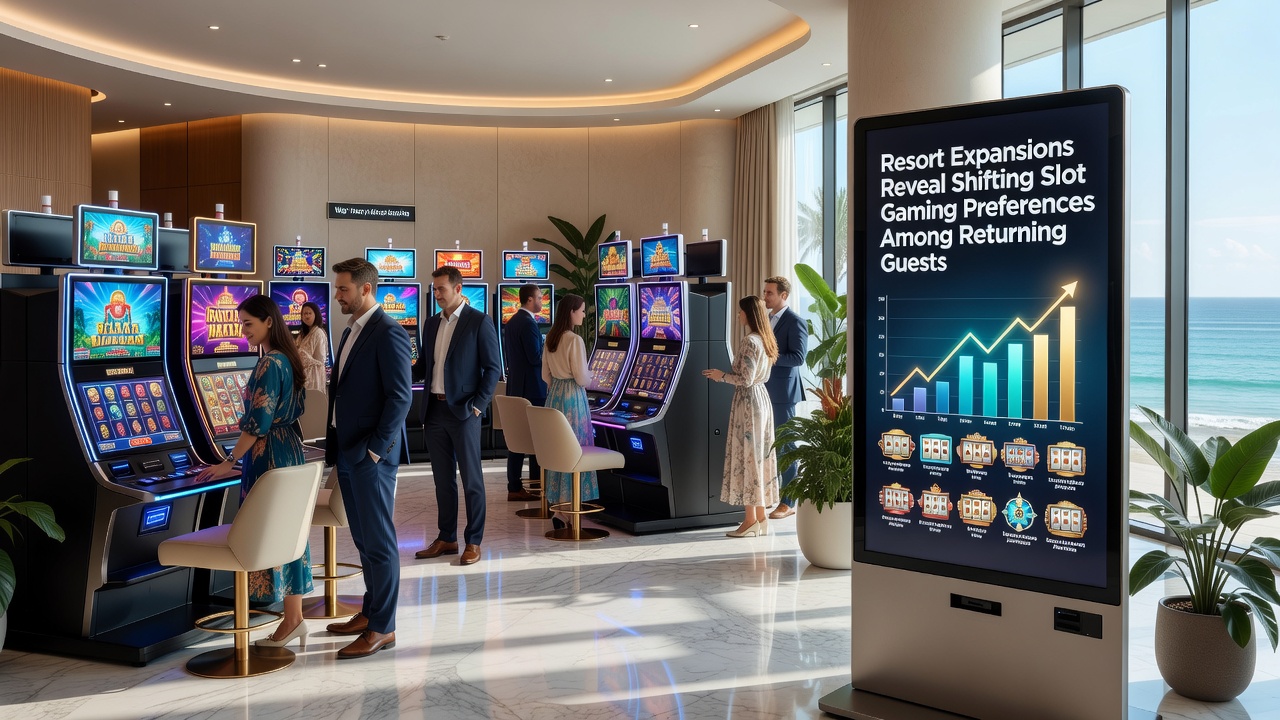 Recent resort developments across major gaming destinations have incorporated expanded slot areas that reflect data collected from repeat visitors who return multiple times each year. These projects track engagement metrics through player loyalty programs and adjust machine mixes accordingly. Observers note that properties completing construction phases in early 2026 added sections dedicated to multi-denomination games while reducing space for single-payline classics. Such changes align with aggregated reports showing returning guests spend longer sessions on video slots featuring narrative progressions and bonus rounds. Construction timelines at several properties included consultations with analytics teams that reviewed visitation histories from 2024 through mid-2026.
Data Patterns from Returning Visitors
Player tracking records at expanded facilities indicate a measurable uptick in selections of games with cultural or branded themes among guests who visit at least three times annually. These patterns emerge from swipe data at card readers positioned across new floor plans. Research from the International Gaming Institute at the University of Nevada, Las Vegas, has documented similar trends in machine utilization rates during peak summer months.
Resorts opening additional slot banks in July 2026 placed greater emphasis on titles with adaptive difficulty levels and shared jackpot networks. Returning guests appear to favor these configurations because they allow session continuity across multiple visits without resetting progress markers. Facilities report that machines offering tiered loyalty multipliers see higher repeat activation compared with standard units.
Examples from Recent Projects
One property in the southwest completed a 40,000-square-foot slot expansion that integrated 1,200 new terminals selected after review of historical play data. The layout grouped machines by volatility range rather than by denomination alone, a departure from earlier designs. This arrangement lets frequent visitors locate preferred risk profiles more quickly during return trips.
Another development in the Midwest added interactive display walls that update in real time with current jackpot totals drawn from linked machines across the property. Construction crews installed these features alongside traditional reels because internal surveys showed repeat patrons respond positively to visible progress indicators. The project finished ahead of schedule and opened sections to the public during the first week of July 2026.
Technology Integration and Floor Adjustments
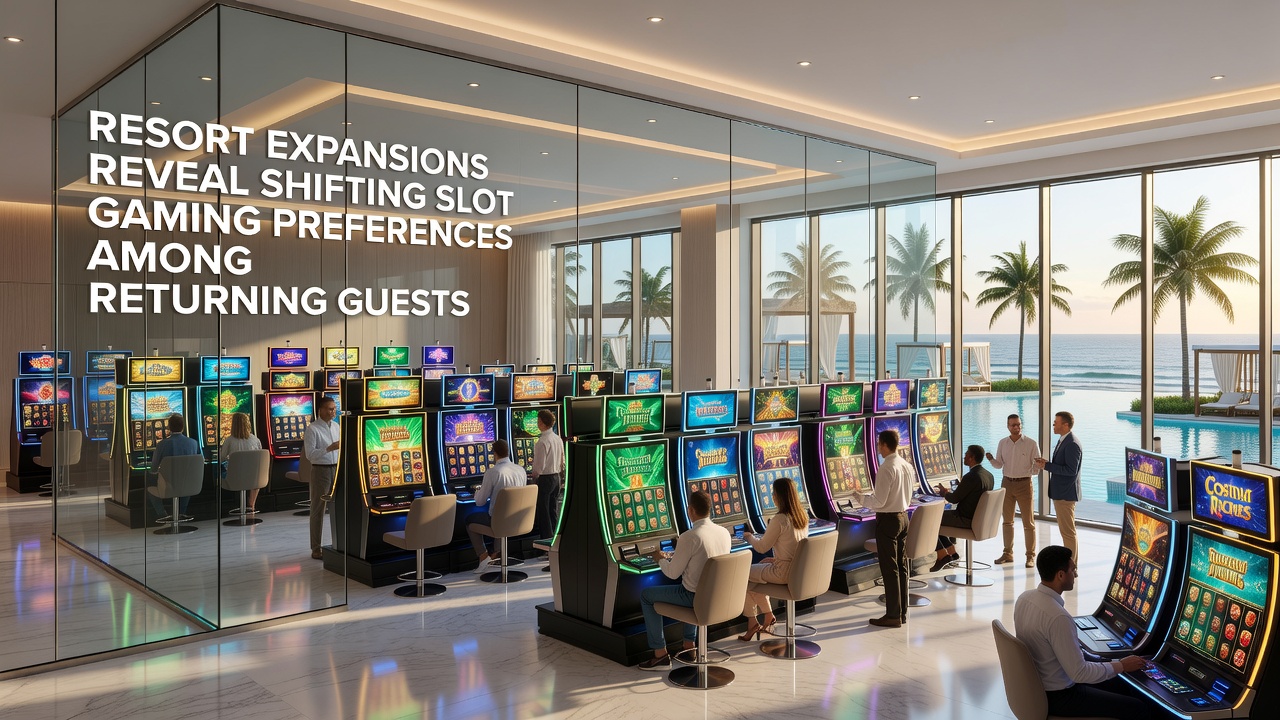
Expanded resorts have installed servers capable of monitoring session length and game selection across loyalty tiers. These systems feed information back to floor managers who can reconfigure banks within weeks rather than months. Data collected through June 2026 shows an increase in play on titles that combine skill-based bonus elements with traditional random outcomes.
Design teams incorporated wider walkways between banks to accommodate higher foot traffic from returning groups who often arrive together. Signage now directs visitors toward sections matching their historical preferences stored in central databases. Such adjustments reduce search time and allow longer continuous play periods during each stay.
Regional Variations in Implementation
Properties in desert markets tend to emphasize high-volatility options in newly built towers, whereas coastal resorts allocate more space to mid-range games with frequent smaller payouts. Both approaches stem from analysis of zip-code level visitation data that reveals geographic differences in guest demographics. Regulatory filings submitted to state gaming boards detail these allocation decisions and tie them directly to observed play patterns.
Additional expansions scheduled for late 2026 plan to test hybrid stations that combine physical reels with digital overlays. Early prototypes underwent trials at select sites where returning card holders provided feedback through post-session surveys. Results guided final specifications before full-scale installation began.
Conclusion
Resort expansions completed or underway through July 2026 demonstrate how properties translate returning guest behavior into physical changes on the gaming floor. Adjustments range from machine selection and layout to supporting technology that tracks preferences over successive visits. Industry reports and construction records show these modifications respond to measurable shifts rather than speculation. Continued monitoring of loyalty metrics will likely inform further refinements as additional projects reach completion.