The Evolution of Player Tracking Systems in Nevada Resorts and Their Ties to Multi-Game Engagement Patterns
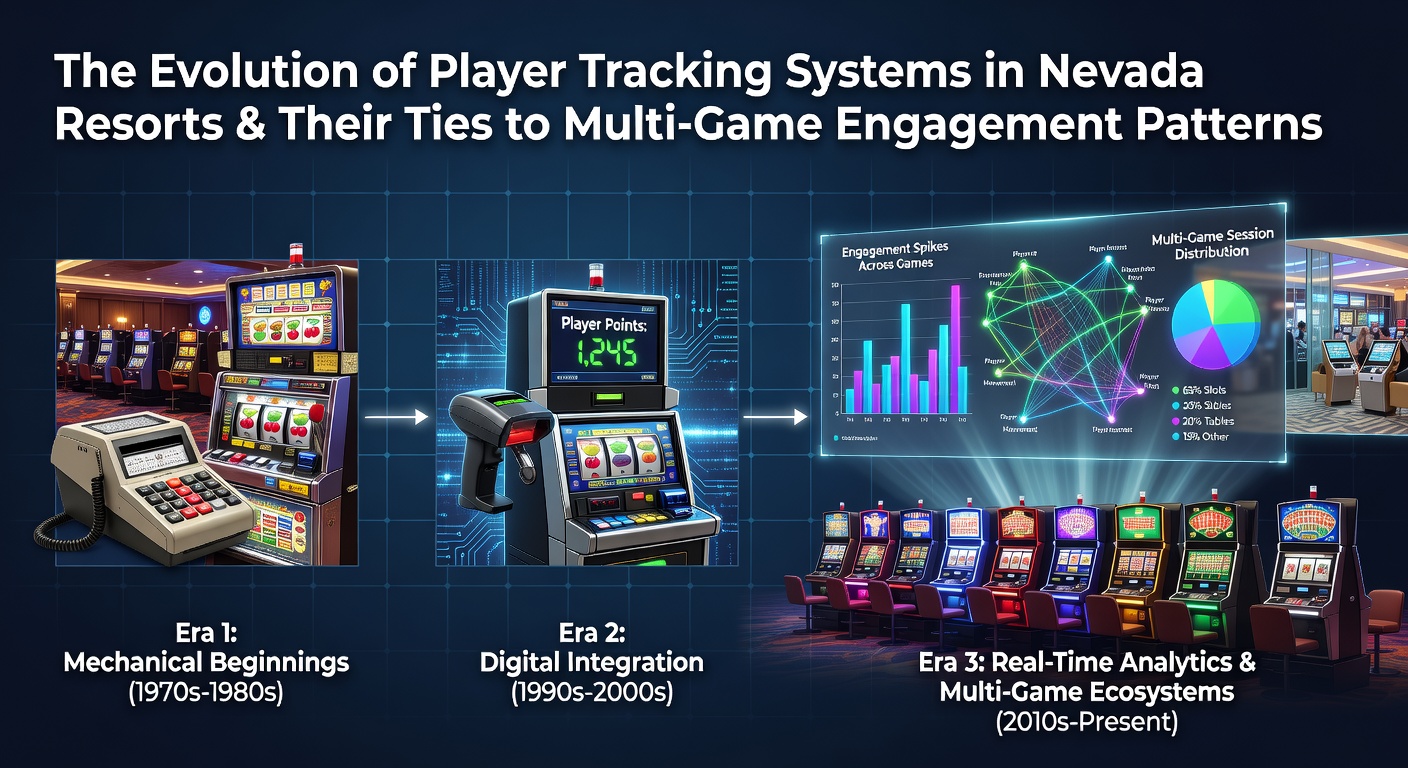
Player tracking systems in Nevada resorts began with simple punch cards in the 1980s and grew into sophisticated digital platforms that monitor guest activity across slot machines, table games, and sportsbooks. These tools collect data on time spent at each game, wager amounts, and session lengths while resorts use the information to design promotions that encourage guests to sample multiple offerings during a single visit. Observers note that the shift from manual ledgers to wireless networks allowed properties to connect player behavior with real-time rewards, and this connection has shaped how visitors move between different gaming areas.
Initial Steps Toward Data Collection
Early systems relied on plastic cards that guests inserted into slot machines to earn points redeemable for meals or show tickets, yet these cards captured only basic win-loss totals without details on game preferences. Resorts in Las Vegas and Reno soon added magnetic stripes that recorded play duration and coin-in values, which gave operators a clearer view of which machines held guest attention longest. By the mid-1990s several major properties had linked these cards to central databases so staff could adjust comp offers on the spot, and the practice spread because it increased repeat visits while keeping guests engaged across the floor.
Transition to Networked Platforms
Wireless technology arrived in the early 2000s and replaced standalone terminals with floor-wide networks that updated player accounts every few seconds. RFID tags embedded in cards allowed staff to greet guests by name at table games, and the same tags tracked movement between slot sections and sports betting areas. Data streams from these networks revealed patterns such as guests who started on video poker often migrated to blackjack after receiving targeted free-play offers, and resorts responded by creating cross-game bonuses that rewarded activity in both machine and table environments.
Integration With Mobile and AI Tools
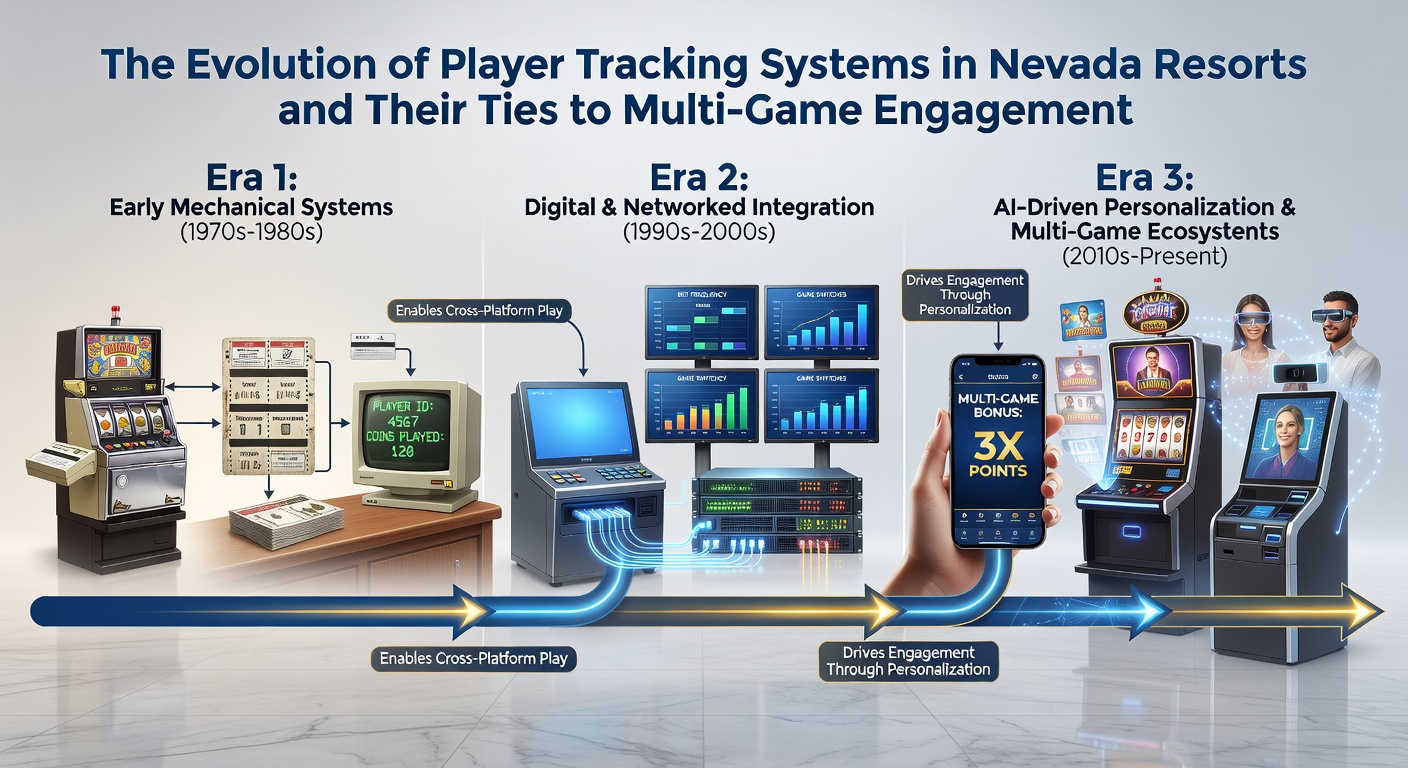
Smartphone apps introduced in the 2010s extended tracking beyond the physical property by letting guests check point balances and receive push notifications about nearby game promotions. Algorithms began analyzing historical data to predict when a player might switch from slots to roulette, then delivered incentives timed to that moment. In May 2026 several Nevada resorts completed upgrades that combined facial recognition at entry points with app data, allowing systems to greet returning guests with personalized multi-game challenges that offered bonus credits for completing tasks on both electronic tables and traditional machines.
Research from the University of Nevada, Las Vegas Center for Gaming Research shows that properties using these combined systems recorded higher percentages of guests participating in at least three distinct game types per visit compared with earlier decades. The same studies indicate that average session length increased when rewards spanned multiple categories, because guests stayed longer to unlock layered benefits rather than focusing on a single game.
Regulatory Oversight and Data Standards
The Nevada Gaming Control Board requires resorts to maintain secure storage of player information and to provide guests with clear opt-out options, rules that have remained consistent even as tracking methods grew more complex. Nevada Gaming Control Board reports from 2025 detail how encrypted databases now handle millions of daily transactions while meeting strict privacy thresholds. These standards have encouraged resorts to share aggregated engagement statistics with industry groups, which in turn helps smaller properties adopt similar multi-game strategies without developing systems from scratch.
Observed Engagement Patterns
Operators have documented that guests who receive offers tied to both slot play and table game participation tend to increase overall coin-in across categories rather than simply shifting spend from one to another. One property reported that a promotion requiring equal time at video slots and craps produced a measurable rise in total handle, and similar results appeared at other resorts that tested comparable bundles. Data also shows that sports betting kiosks integrated into the same tracking platform draw players who previously stayed only at machines, because a single loyalty balance now covers wagers placed on mobile devices inside the sportsbook.
Conclusion
Nevada resorts continue to refine player tracking platforms by adding new sensors and refining algorithms that link activity across game types. The result is a feedback loop where detailed records guide promotion design, and guest responses update the records for future cycles. As of May 2026 the systems operate with greater speed adn accuracy than at any prior point, supporting engagement patterns that span slots, tables, and sports wagering while operating under established regulatory frameworks.