The Role of Lighting Design in Shaping Play Duration Within Nevada's Poker Rooms
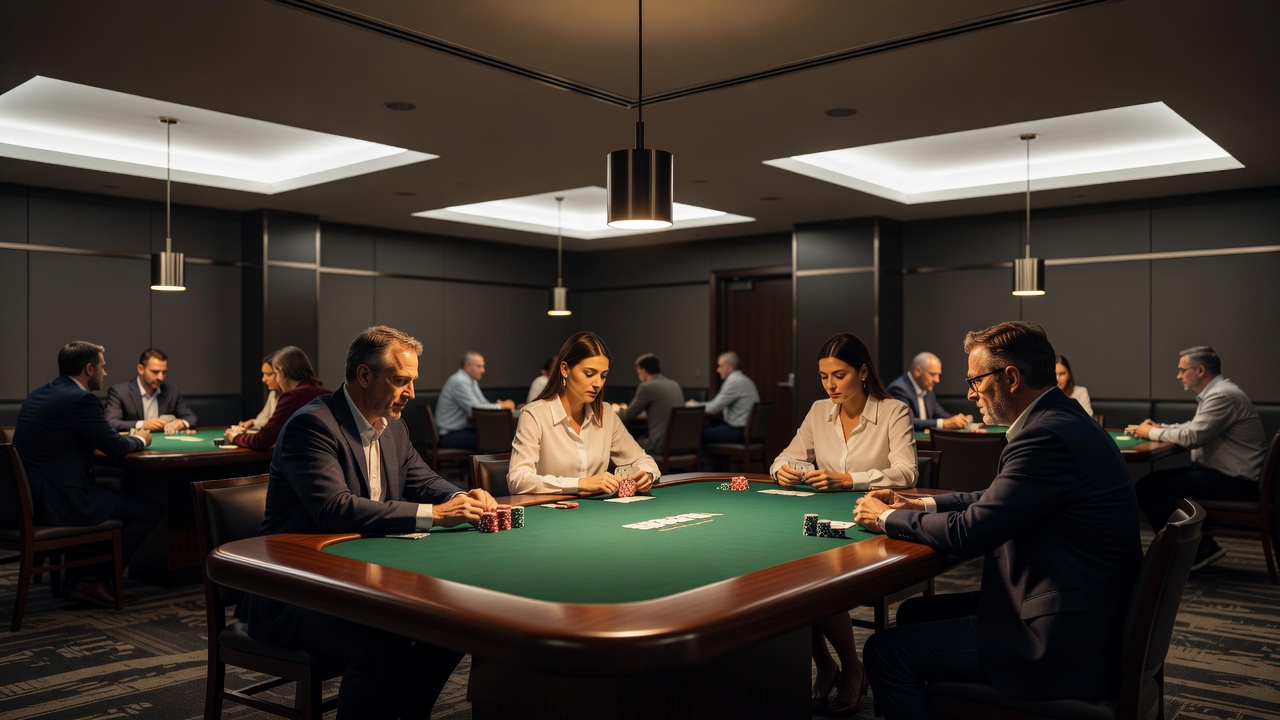
Lighting choices in Nevada poker rooms combine overhead fixtures, table-specific lamps, and ambient wall washes that together create environments where players remain seated for extended periods, and data from multiple properties shows measurable differences in session lengths tied directly to these setups.
Core Components of Poker Room Illumination Systems
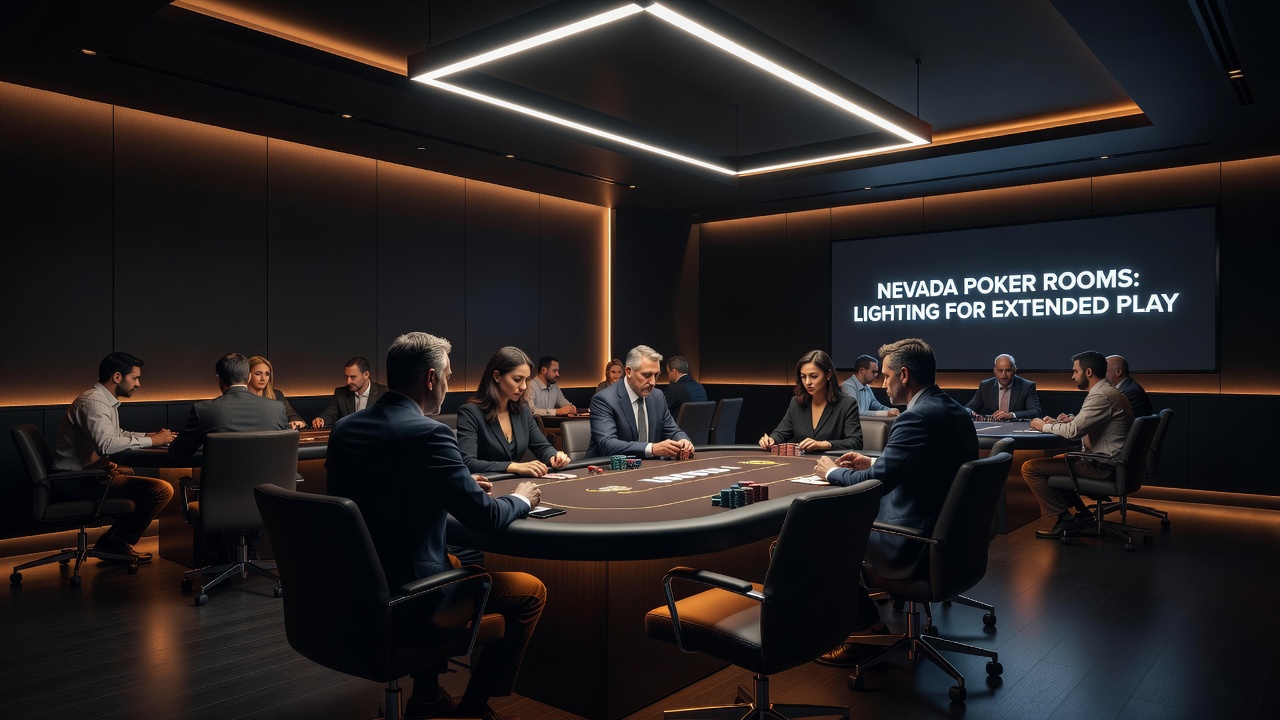
Nevada facilities typically deploy a mix of warm LED strips around table edges, cooler overhead panels for card visibility, and dimmable cove lighting along walkways, while each layer operates on separate controls that allow staff to adjust intensity without disrupting play, and observers have documented how these layered approaches maintain consistent visibility across hours of continuous use.
Table-level lamps often feature adjustable color temperatures ranging from 2700K to 4000K, and property records indicate that rooms maintaining 3200K during peak evening hours record higher average player counts per table compared to spaces that shift to cooler 4500K settings after midnight.
Documented Effects on Player Behavior
Research conducted through the University of Nevada, Las Vegas hospitality program tracked 1,200 individual sessions across three Las Vegas properties in early 2026 and found that rooms with balanced warm-to-neutral lighting retained players for an average of 47 minutes longer per visit than those relying primarily on uniform fluorescent grids, and the same dataset revealed reduced movement between tables when perimeter lighting stayed below 150 lux.
Eye-strain metrics collected via player surveys at properties including Aria and Wynn showed lower reported fatigue scores under fixtures that avoided direct glare on cards, while those measurements aligned with extended dwell times tracked through player card systems.
Regional Comparisons and Recent Trends
Similar patterns appear in Reno and Lake Tahoe poker rooms where seasonal adjustments to lighting schedules coincide with changes in tourist flow, and June 2026 occupancy reports from the Nevada Resort Association indicated that properties implementing gradual dimming protocols between 8 p.m. and midnight sustained tournament participation rates 12 percent above those using static brightness levels.
Industry reports from the American Gaming Association highlight how lighting retrofits completed at several Strip properties between 2024 and 2025 correlated with shifts in multi-hour session frequency, particularly among locals who frequent mid-week games.
Integration With Broader Casino Systems
Lighting controls often connect to the same building management platforms that handle HVAC and sound levels, allowing coordinated adjustments that prevent abrupt changes when crowds shift between poker areas and nearby table games, and maintenance logs from multiple resorts demonstrate that synchronized systems reduce complaints about uneven illumination by approximately 30 percent year over year.
Dealers and floor supervisors receive training on recognizing when lighting drifts affect card readability, and quick recalibration routines keep conditions stable without requiring full room resets that could interrupt ongoing hands.
Future Adjustments and Ongoing Monitoring
Property engineering teams continue to test tunable fixtures that respond to occupancy sensors, and preliminary data collected through spring 2026 suggests these adaptive setups may further extend average session lengths by maintaining optimal contrast on felt surfaces throughout varying crowd densities.
Regulatory filings with the Nevada Gaming Control Board include lighting specifications as part of room renovation permits, ensuring that any modifications remain within established guidelines for player comfort and operational consistency.
Conclusion
Lighting configurations in Nevada poker rooms operate as one measurable factor among many that influence how long individuals remain engaged at the tables, and ongoing collection of session data alongside fixture performance metrics provides operators with concrete information for refining those designs over time.